
How to Use Your California Perinatal Doula Benefits for Lactation Support
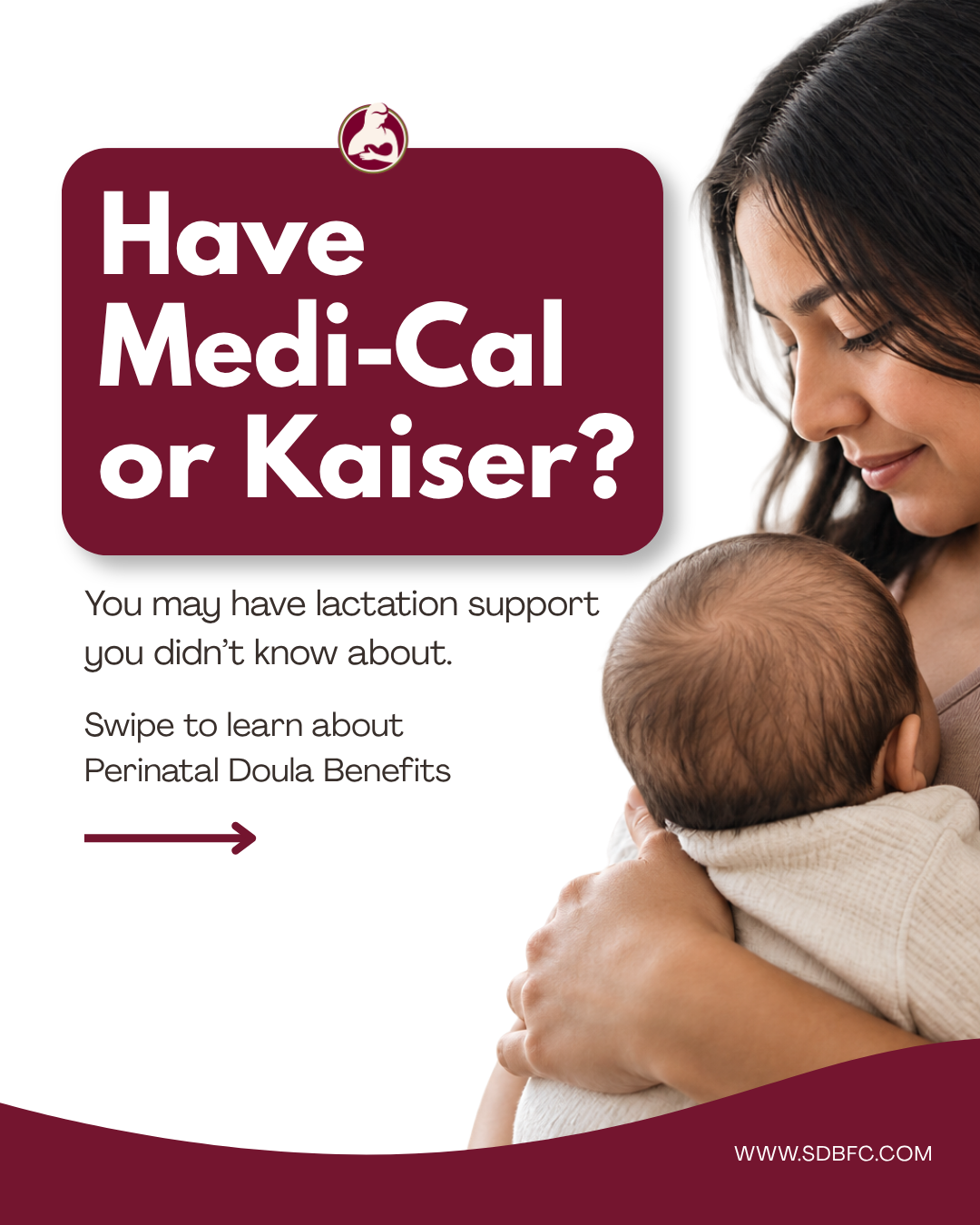
If you have Medi-Cal or a qualifying Kaiser Permanente plan, you may have access to valuable Perinatal Doula Benefits. What many families don't realize is that these benefits can include lactation and infant-feeding support.
At San Diego Breastfeeding Center, eligible families may be able to use their Perinatal Doula Benefits for lactation-focused appointments with a provider who is both an International Board Certified Lactation Consultant (IBCLC) and a certified doula.
Oct 1, 2026 • Author: Robin Kaplan, M.Ed, IBCLC, FNC
If you have Medi-Cal or a qualifying Kaiser Permanente plan, you may have access to valuable Perinatal Doula Benefits. What many families don't realize is that these benefits can include lactation and infant-feeding support.
At San Diego Breastfeeding Center, eligible families may be able to use their Perinatal Doula Benefits for lactation-focused appointments with a provider who is both an International Board Certified Lactation Consultant (IBCLC) and a certified doula.
While our participating providers are dually trained, appointments through SDBFC are specifically focused on lactation and infant-feeding support from the prenatal through postpartum period.
ABOUT SDBFC
The San Diego Breastfeeding Center was established in 2009 by Robin Kaplan, International Board Certified Lactation Consultant, Functional Nutritionist, and parent. Her vision was to create a judgment-free, inclusive support system for families navigating infant feeding challenges. SDBFC offers a wide range of one-on-one breastfeeding, infant feeding, and nutrition consultations - as well as classes, support groups, online articles, and social media - making it your one-stop-shop for all things infant feeding!
What is the California Perinatal Doula Benefit?
California's Medi-Cal Doula Benefit provides covered doula services during pregnancy, labor and birth, and through the first year after pregnancy. Doula services can also provide support following miscarriage, stillbirth, or abortion.
The benefit includes emotional, physical, informational, and lactation and infant-feeding support.
For Medi-Cal members, the standard benefit includes:
One initial 90-minute visit
Up to eight 1-hour prenatal or postpartum visits
Support during labor and birth
Up to two extended three-hour postpartum visits
Up to nine additional postpartum visits when medically recommended by a licensed healthcare provider
It's important to note that the Perinatal Doula Benefit isn't a general lactation benefit that can be used with any IBCLC. The provider must also meet the qualifications to provide covered doula services and be credentialed with your insurance plan. At SDBFC, our participating providers meet both requirements, allowing eligible families to receive specialized lactation care while using their Perinatal Doula Benefits.
Why use your doula benefit for a lactation appointment?
You can use these visits to troubleshoot a feeding challenge, prepare for an upcoming transition, learn how to use your pump more effectively, or get individualized guidance based on your family's goals.
Your appointment may include support with:
Prenatal breastfeeding and infant-feeding preparation
Breastfeeding and latch
Nipple or breast pain
Milk supply concerns
Pumping and flange sizing
Introducing bottles or addressing bottle refusal
Returning to work
Starting solids
Weaning
Other breastfeeding, pumping, bottle-feeding, or infant-feeding questions
You also don't need to wait until feeding feels difficult. You might schedule a prenatal appointment to prepare for breastfeeding and pumping, come in before returning to work to create a pumping plan, or get help introducing a bottle.
What happens during an IBCLC appointment?
Every family and feeding relationship is different, so your appointment is tailored to your specific concerns and goals.
Depending on what brings you in, your IBCLC may review your pregnancy, birth, and feeding history; your baby's feeding patterns; your feeding goals; breastfeeding position and latch; oral function when appropriate; milk transfer through a weighted feeding when appropriate; pump fit and settings; bottle-feeding technique; and your current pumping or feeding schedule.
From there, you'll work together to create a personalized feeding plan that makes sense for you, your baby, and your family.
For prenatal appointments, the focus is on preparing for lactation and infant feeding rather than childbirth education or birth preparation.
Can't my birth or postpartum doula help me with breastfeeding?
Absolutely! Many doulas offer valuable breastfeeding education and emotional support, and your doula can be an important part of your postpartum support team. California's Medi-Cal Doula Benefit specifically recognizes lactation support as part of doula care.
However, doulas and IBCLCs have different training and roles.
A birth or postpartum doula is trained to provide non-medical emotional, physical, and informational support throughout the perinatal period. A Lactation Educator Counselor (LEC) or Certified Lactation Educator (CLE) has additional education in human lactation and can provide general breastfeeding education and support with common feeding concerns.
An IBCLC has completed specialized education and clinical training in human lactation and passed an international board examination. IBCLCs are trained to perform comprehensive feeding assessments and provide evidence-based management of both routine and complex lactation and infant-feeding concerns.
An IBCLC can provide a more in-depth assessment when you're experiencing concerns such as:
Persistent nipple or breast pain
Difficulty achieving or maintaining a comfortable latch
Concerns about milk transfer or your baby's weight gain
Low or delayed milk production
Oversupply or recurrent plugged ducts
Pumping or milk-expression difficulties
Bottle-feeding challenges
Concerns about oral-motor function
Feeding challenges related to prematurity or other health considerations
These roles aren't interchangeable, and one isn't meant to replace the others. Your doula and IBCLC can complement one another. Your doula can continue providing the emotional, physical, and informational support you've arranged with them, while your SDBFC IBCLC focuses specifically on your lactation and infant-feeding needs.
Which insurance plans does SDBFC accept through the Perinatal Doula Benefit?
San Diego Breastfeeding Center currently accepts eligible Perinatal Doula Benefits through:
Anthem Medi-Cal
Health Net Medi-Cal
Community Health Group
Molina Medi-Cal
Kaiser Medi-Cal
Qualifying Kaiser HMO plans
These appointments are billed through your Perinatal Doula Benefit rather than standard lactation benefits.
Coverage and eligibility depend on your individual insurance plan and remaining benefits, so benefits must be verified before your appointment.
How do I know if I have coverage?
You don't have to figure it out alone.
San Diego Breastfeeding Center completes insurance verification through our billing partner, Loula. Verification may take up to three business days.
After submitting your information, you'll receive a consent email from Loula. Be sure to complete the consent as soon as possible so your insurance verification can continue.
If you've already used some of your perinatal doula visits, your SDBFC appointment will count toward the visits you have remaining under your benefit.
Frequently Asked Questions
Can I use my Perinatal Doula Benefit with any IBCLC?
No. Being an IBCLC alone does not make a provider eligible to provide services under the Perinatal Doula Benefit. The IBCLC must also be a certified birth and/or postpartum doula and be credentialed with your insurance plan.
At SDBFC, participating providers meet these requirements while also providing specialized IBCLC lactation care.
Does SDBFC provide birth or postpartum doula services through this benefit?
No. SDBFC appointments are specifically focused on lactation and infant feeding. Although the IBCLCs providing these appointments are also certified birth and/or postpartum doulas, SDBFC does not provide labor or birth support, childbirth education, or general postpartum doula care through these appointments.
Do I need to be having breastfeeding problems to see an IBCLC?
No! IBCLC appointments aren't only for troubleshooting. You can use an appointment for prenatal lactation preparation, pumping education, flange sizing, returning to work, bottle introduction, starting solids, weaning, or simply getting personalized guidance based on your feeding goals.
Can I use my benefit if I'm exclusively pumping or bottle feeding?
Yes. Lactation care isn't limited to feeding directly at the breast. An IBCLC can provide support with flange fit, pump settings, pumping frequency, milk removal, milk production, maintaining supply, bottle introduction, bottle refusal, and other infant-feeding concerns.
What if I've already used some of my doula visits?
Your lactation appointment will count toward the eligible visits you have remaining under your benefit. Our team can help verify your remaining benefits before your appointment.
Will my appointment definitely be covered?
Coverage depends on your individual insurance plan, eligibility, and remaining benefits. We verify your benefits before your appointment, but final eligibility and coverage are ultimately determined by your health plan.
Get the lactation support you need
You don't have to navigate feeding challenges alone—and you don't have to choose between the professionals who support you.
If you have Medi-Cal or a qualifying Kaiser plan, your Perinatal Doula Benefits may provide more lactation support than you realize. At San Diego Breastfeeding Center, eligible families may be able to use these benefits for specialized lactation and infant-feeding care with providers who bring together IBCLC expertise and professional doula training.
Ready to find out if your benefits can be used at SDBFC?
Contact us to verify your benefits and get started. Book an appointment below or contact our office for more information.
SDBFC is committed to providing high-quality lactation and functional nutrition consultations to parents in San Diego and beyond. Explore our postpartum, prenatal, and functional nutrition consultations, take a breastfeeding class or attend a workshop.
About the Author
Robin Kaplan has been an IBCLC since 2009, the same year that she opened up the San Diego Breastfeeding Center. Robin was the founding host of the Boob Group podcast and published her first book, Latch: a Handbook for Breastfeeding with Confidence at Every Stage in 2018. Melding her passions for supporting lactating parents and holistic health, Robin finished her Functional Nutrition Certification in 2023. In her free time, she enjoys hanging out with her two teenage boys, hiking, traveling, weaving, cooking, and searching for the best chai latte.


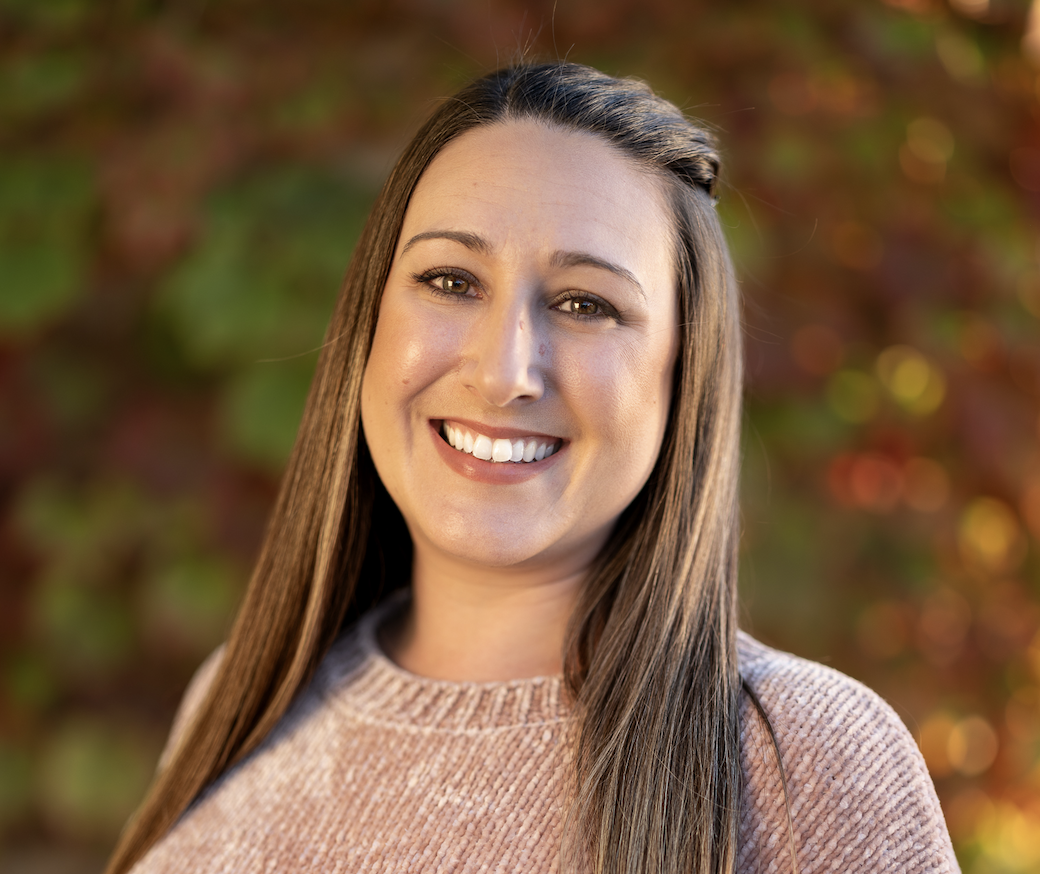
Meet SDBFC's Newest Lactation Consultant - Valori Sharp
We are so thrilled to introduce you to our newest lactation consultant at SDBFC! Valori completed her training to become an International Board Certified Lactation Consultant (IBCLC) through the University of California, San Diego in 2026. She has been part of the San Diego Breastfeeding Center team since 2023, serving as the Administrative Assistant and support group leader. She is now available for lactation appointments, as well as doula benefit appointments!
Aug 2, 2026 • Author: Robin Kaplan, M.Ed, IBCLC, FNC
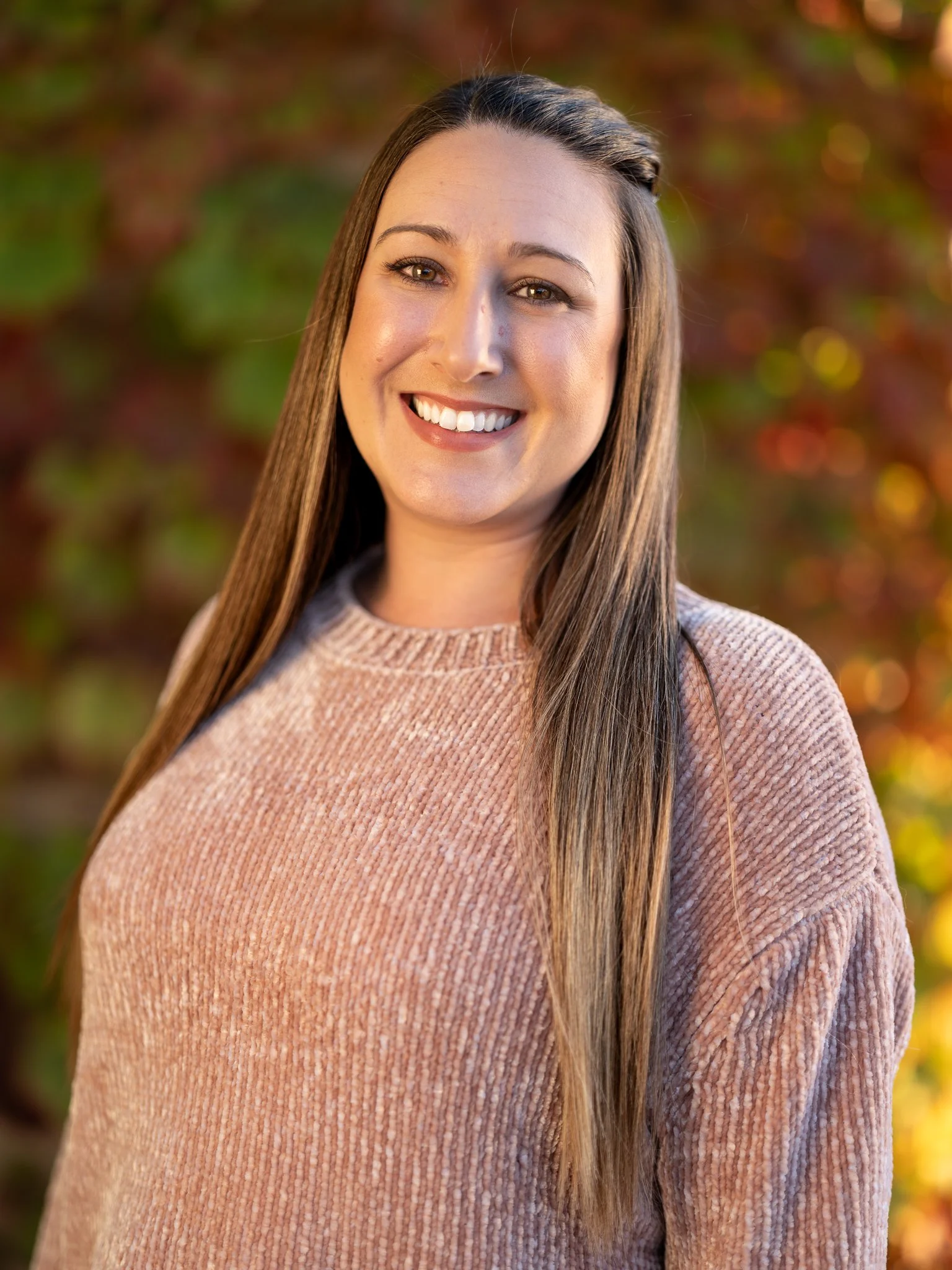
We are so thrilled to introduce you to our newest lactation consultant at SDBFC! Valori completed her training to become an International Board Certified Lactation Consultant (IBCLC) through the University of California, San Diego in 2026. She has been part of the San Diego Breastfeeding Center team since 2023, serving as the Administrative Assistant and support group leader. She is now available for lactation appointments, as well as doula benefit appointments! Here is our interview with Valori. We can't wait for you all to meet her!
ABOUT SDBFC
The San Diego Breastfeeding Center was established in 2009 by Robin Kaplan, International Board Certified Lactation Consultant, Functional Nutritionist, and parent. Her vision was to create a judgment-free, inclusive support system for families navigating infant feeding challenges. SDBFC offers a wide range of one-on-one breastfeeding, infant feeding, and nutrition consultations - as well as classes, support groups, online articles, and social media - making it your one-stop-shop for all things infant feeding!
Valori, tell us about yourself!
Hi, I'm Valori! I was born and raised in San Diego but have called the small mountain town of Pine Valley, tucked away in rural East County, home for the past 10 years. It's the kind of place where everyone knows everyone, and my family is proud to be raising the fifth generation of Sharps here.
My husband and I have two daughters. Our oldest, who my husband has raised since she was 2 years old, is now 18, and our youngest is 5. And if you don't know, toddlers and teenagers are THE SAME! They both keep you on your toes, keep you incredibly humbled, and have a remarkable talent for testing your patience. As a family, we spend many weekends camping in the desert with friends and family. I proudly serve as the camp chef and one-person pit crew during off-road races.
My 30s have truly been the best years of my life. I found the career I was meant for as a lactation consultant and postpartum doula. Supporting, educating, and empowering new families has become so much of my identity. But along the way, I've also learned that I can't pour into others if I don't take time to pour into myself. As a wife, mom, and working professional, making space for the things that fill my own cup has become just as important.
Outside of work and my family, I've discovered two hobbies I never imagined I'd love: gardening and reading. A few years ago, I couldn't make it through a few pages of a book without falling asleep, and I definitely wasn't someone you'd find spending time in the garden (bugs and dirt? No thank you!). In fact, I was the person who couldn't even keep a succulent alive! Now, several times a day, you'll find me outside tending to a garden with more than 15 different fruits, vegetables, and herbs, usually with a coffee in hand while listening to a good audiobook.
What inspired you to become a lactation consultant?
My passion for lactation and postpartum support grew from two very different experiences of motherhood.
I became a mom at 17, completely unprepared for what came after birth. My postpartum recovery was difficult, but breastfeeding was by far the hardest part. Yet I had no idea lactation professionals even existed. After concerns about my baby's weight, I was told to stop breastfeeding immediately because I was "starving my baby." Those were the exact words used (ouch!), and they're forever burned into my memory. Without education or support, I gave up breastfeeding and quickly spiraled into postpartum depression, a journey that took nearly six years to heal from.
Thirteen years later, when my husband and I decided to grow our family, I was determined to have a different experience. Then, the same week I found out I was pregnant, COVID shut the world down. Once again, I found myself navigating pregnancy feeling isolated, attending appointments alone, and struggling to access the education and support I knew I needed.
This time, I became my own advocate. I immersed myself in learning everything I could about breastfeeding and postpartum recovery. Although breastfeeding still had its challenges, we found our rhythm. With the education and support I needed, I built a full milk supply, nourished my own daughter, and had the unexpected privilege of also providing supplemental breast milk for my niece, who was born just 10 days before her.
Those two experiences taught me just how life-changing compassionate, evidence-based support can be during the postpartum period. Today, I have the privilege of being the support person I once desperately needed.
What are you most excited about working for SDBFC?
I've spent the last three and a half years in an administrative role alongside many incredible women at the San Diego Breastfeeding Center, constantly in awe of their knowledge, skill, and compassion. It has been an incredible opportunity to learn from the team that has inspired me since my very first day. I'm excited to continue growing with SDBFC as I transition into this new role.
I'm equally excited about the opportunity to expand access to out of hospital lactation support for Medi-Cal families and communities that have historically had limited access to these services. Living in a rural healthcare desert has given me firsthand insight into the barriers many families face when seeking lactation and perinatal support. Being able to bring SDBFC's model of compassionate, evidence-based care into communities like my own is incredibly meaningful to me.

What are your 3 top tips for a brand new chest/breastfeeding parent?
Invest in Prenatal Education
Not just for breastfeeding, but for postpartum as a whole. There are so many layers to healing while learning to care for a newborn and establishing your milk supply. Preparing before you're in the thick of postpartum gives you the knowledge, confidence, and support you'll be grateful to have if challenges arise. Build your care team before your baby arrives so you already know who to turn to when you need help.
Sometimes You Have to Slow Down to Move Forward
There are times when not even a lactation consultant can help a baby latch on the first try, and that's okay. Support isn't one size fits all, each plan is highly individualized. We're looking at the entire picture: you, your milk supply, your baby's feeding patterns, oral function, positioning, and any other factors that may be affecting feeding. Together, we'll work through each layer one step at a time. Progress often takes patience, practice, and trust, but every small win matters, and we'll celebrate each one with you. Give yourself grace. You're learning one of the hardest jobs in the world while doing it in real time.
Breastfeeding Isn't All or Nothing
Whether you're exclusively breastfeeding, exclusively pumping, nursing and pumping, supplementing with formula, or using a combination that changes over time, your feeding journey is still valuable. Every ounce of breast milk provides benefits to your baby, and every feeding is an act of love. Feeding your baby isn't about perfection, it's about finding what works for your family. Be proud of yourself and all that your body is doing no matter the amount or method you feed your baby!
Valori is available for lactation appointments, as well as infant-feeding focused prenatal/postpartum doula appointments.
SDBFC is committed to providing high-quality lactation and functional nutrition consultations to parents in San Diego and beyond. Explore our postpartum, prenatal, and functional nutrition consultations, take a breastfeeding class or attend a workshop.
About the Author
Robin Kaplan has been an IBCLC since 2009, the same year that she opened up the San Diego Breastfeeding Center. Robin was the founding host of the Boob Group podcast and published her first book, Latch: a Handbook for Breastfeeding with Confidence at Every Stage in 2018. Melding her passions for supporting lactating parents and holistic health, Robin finished her Functional Nutrition Certification in 2023. In her free time, she enjoys hanging out with her two teenage boys, hiking, traveling, weaving, cooking, and searching for the best chai latte.
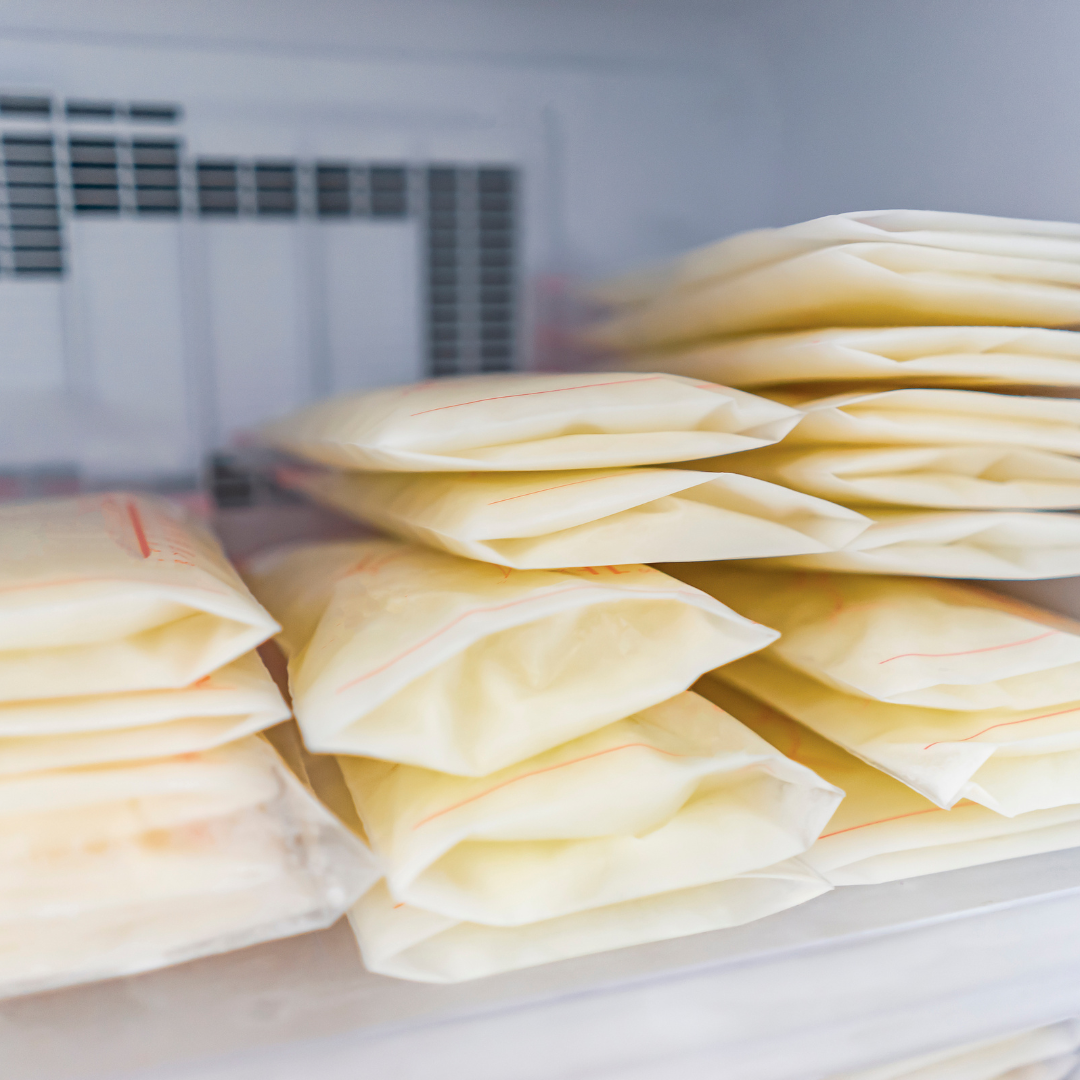
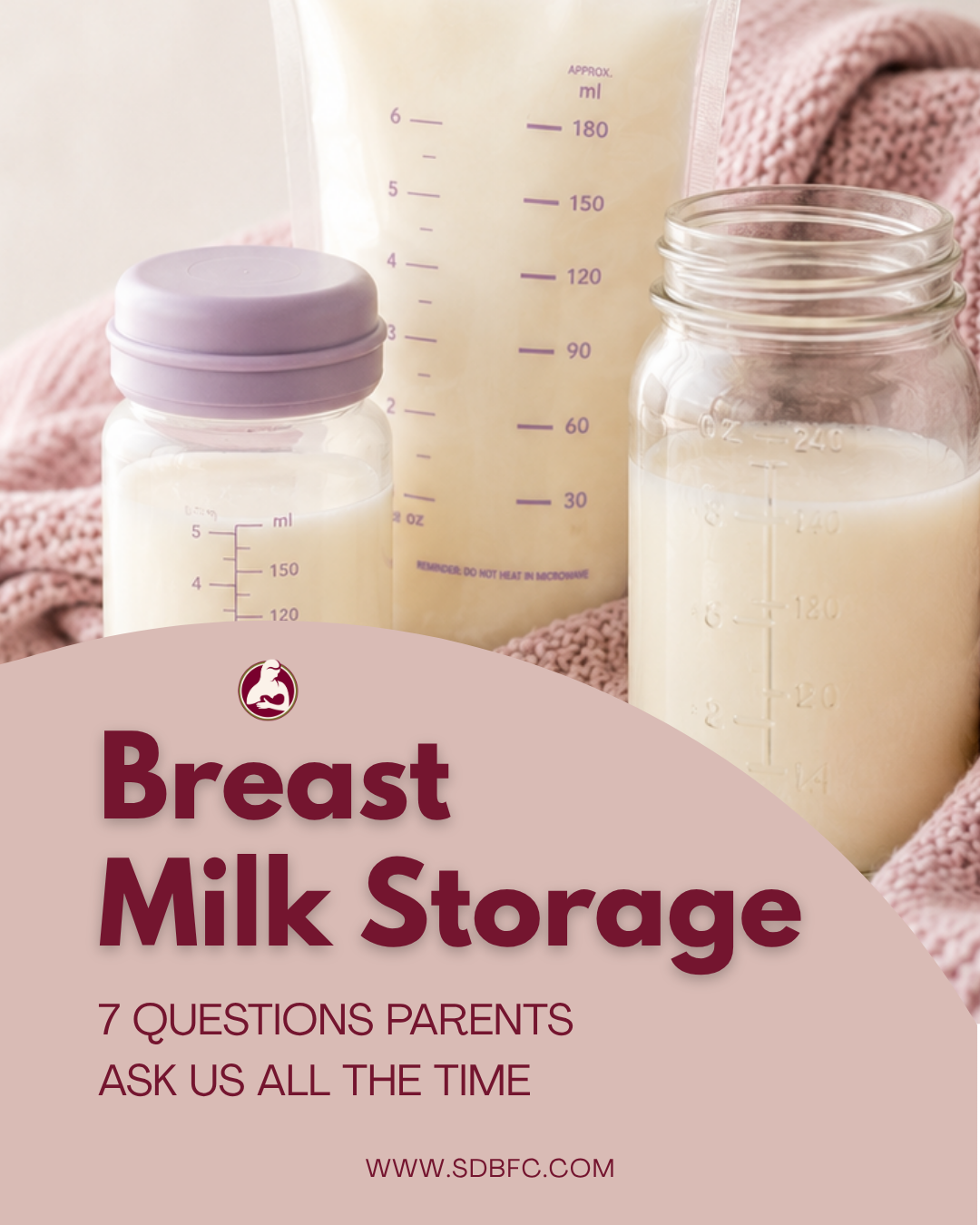
Breast Milk Storage: Answers to the Questions Every Parent Asks
If there's one thing almost every breastfeeding parent worries about, it's whether they're storing their milk correctly.
Here are some of the most common breast milk storage questions we hear at the San Diego Breastfeeding Center.
July 31, 2026 • Author: Robin Kaplan, M.Ed, IBCLC, FNC
If there's one thing almost every breastfeeding parent worries about, it's whether they're storing their milk correctly.
Maybe you collected half an ounce in your passive milk collector and aren't sure what to do with it. Maybe you've already pumped 3 ounces and wonder if you can add more later. Or maybe you're trying to build a freezer stash before returning to work and don't want to waste a single drop.
The good news…. Breast milk is remarkably resilient. While there are best practices that help preserve its quality, your milk isn't "ruined" if you haven't followed every recommendation perfectly.
Here are some of the most common breast milk storage questions we hear at the San Diego Breastfeeding Center.
ABOUT SDBFC
The San Diego Breastfeeding Center was established in 2009 by Robin Kaplan, International Board Certified Lactation Consultant, Functional Nutritionist, and parent. Her vision was to create a judgment-free, inclusive support system for families navigating infant feeding challenges. SDBFC offers a wide range of one-on-one breastfeeding, infant feeding, and nutrition consultations - as well as classes, support groups, online articles, and social media - making it your one-stop-shop for all things infant feeding!
Can I Add Freshly Pumped Milk to Milk That's Already in the Refrigerator?
This is probably the question we hear most often.
If you just pumped some milk and already have chilled milk in the refrigerator, it's best to cool the freshly expressed milk first before combining it with the refrigerated milk.
One easy method is to:
Place your freshly pumped milk in a separate bottle or container with a lid.
Refrigerate it until it's cooled.
Then combine it with the already chilled milk.
This helps avoid warming and re-cooling the milk already in your refrigerator.
I Collected Half an Ounce in My Passive Milk Collector. What Should I Do With It?
Whether you're using a silicone milk collector or another passive milk collector, it's completely normal to collect small amounts throughout the day.
You have a few options:
Store it in a milk storage bag in the refrigerator or freezer.
Refrigerate it until it's cold before combining it with other chilled milk from the same day (as described above).
Those small amounts really do add up over time.
Should I Freeze Tiny Amounts or Wait Until I Have More?
There's no "perfect" amount to freeze.
Some parents prefer freezing milk in 2–4 ounce portions because that's close to what many babies take in a feeding.
Others freeze smaller amounts that can be used to top off/combine with another bottle or mix into solid foods later.
The best amount is the amount your baby typically uses so you aren't thawing more milk than you need.
Can I Pump Several Times During the Day Into One Container?
Kind of—but with one important step.
Instead of adding warm milk directly to cold milk, cool milk from each pumping session first before combining them into one larger container in the refrigerator.
Many parents find it helpful to keep:
One larger mason jar or bottle for the day's chilled milk
One smaller bottle for freshly pumped milk that's still cooling
Once both are cold, they can be combined.
Do I Need Breast Milk Storage Bags?
Not necessarily.
Milk can safely be stored in:
Clean bottles with lids
Glass containers, like mason jars
Breast milk storage bags designed for freezing
If you're freezing milk, storage bags save space in the freezer (especially when you freeze them lying flat). If you're using milk within a few days, bottles or glass containers often work just as well.
How Long Can Breast Milk Stay in the Refrigerator?
This is one of the most important storage questions, and we've created an entire guide dedicated to refrigerator storage timelines.
👉 Read How Long Does My Breast Milk Stay Fresh?
That article walks through current storage recommendations and when it's time to use or freeze your milk.
Do I Need a Large Freezer Stash Before Returning To Work?
Nope.
One of the biggest misconceptions is that you need an overflowing freezer before returning to work. In reality, most families only need enough milk for the first day or two away from their baby. As you pump during your workday, that milk typically replaces what your baby drinks the following day. Instead of focusing on filling an entire freezer, focus on creating a sustainable pumping routine that keeps up with your baby's needs.
What If I Didn't Store My Milk This Way?
Don't panic.
These recommendations are considered best practices because they help preserve the quality of your milk and make storage easier to manage. If you've occasionally combined milk differently or stored it another way, that doesn't automatically mean your milk is unsafe or unusable.
If you ever have questions about your specific situation, an IBCLC can help you determine the best next steps.
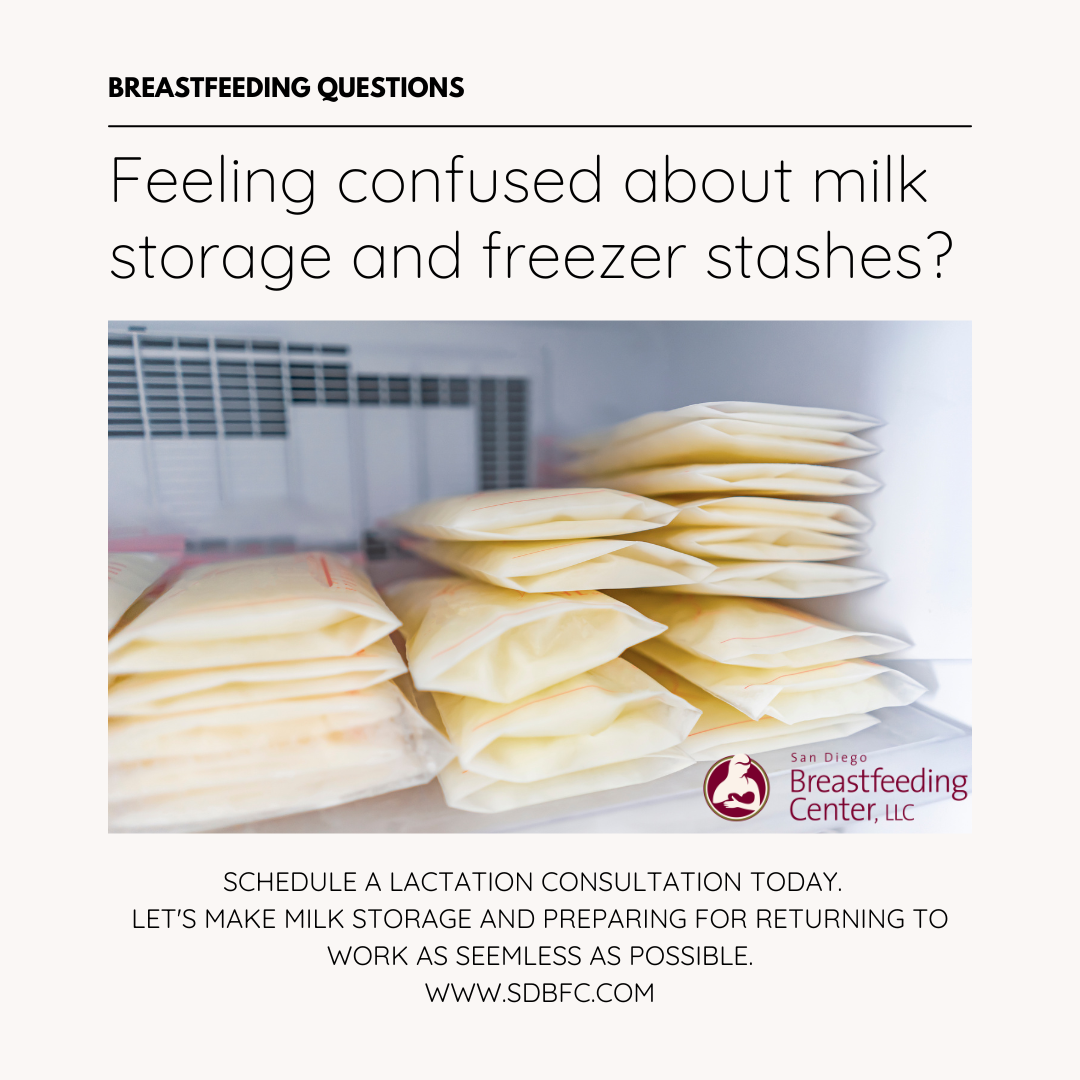
Every ounce of human milk represents time, effort, and love. It's completely understandable to want to make sure you're storing it correctly.
The good news is that breast milk storage doesn't have to feel overwhelming. A few simple habits—like cooling freshly expressed milk before combining it with already chilled milk, using clean containers, and knowing when to refrigerate or freeze—can help you feel more confident every time you pump.
If you're preparing to return to work, building a freezer stash, or simply have questions about pumping and milk storage, our team at the San Diego Breastfeeding Center is here to help you create a plan that works for your family.
SDBFC is committed to providing high-quality lactation and functional nutrition consultations to parents in San Diego and beyond. Explore our postpartum, prenatal, and functional nutrition consultations, take a breastfeeding class or attend a workshop.
About the Author
Robin Kaplan has been an IBCLC since 2009, the same year that she opened up the San Diego Breastfeeding Center. Robin was the founding host of the Boob Group podcast and published her first book, Latch: a Handbook for Breastfeeding with Confidence at Every Stage in 2018. Melding her passions for supporting lactating parents and holistic health, Robin finished her Functional Nutrition Certification in 2023. In her free time, she enjoys hanging out with her two teenage boys, hiking, traveling, weaving, cooking, and searching for the best chai latte.

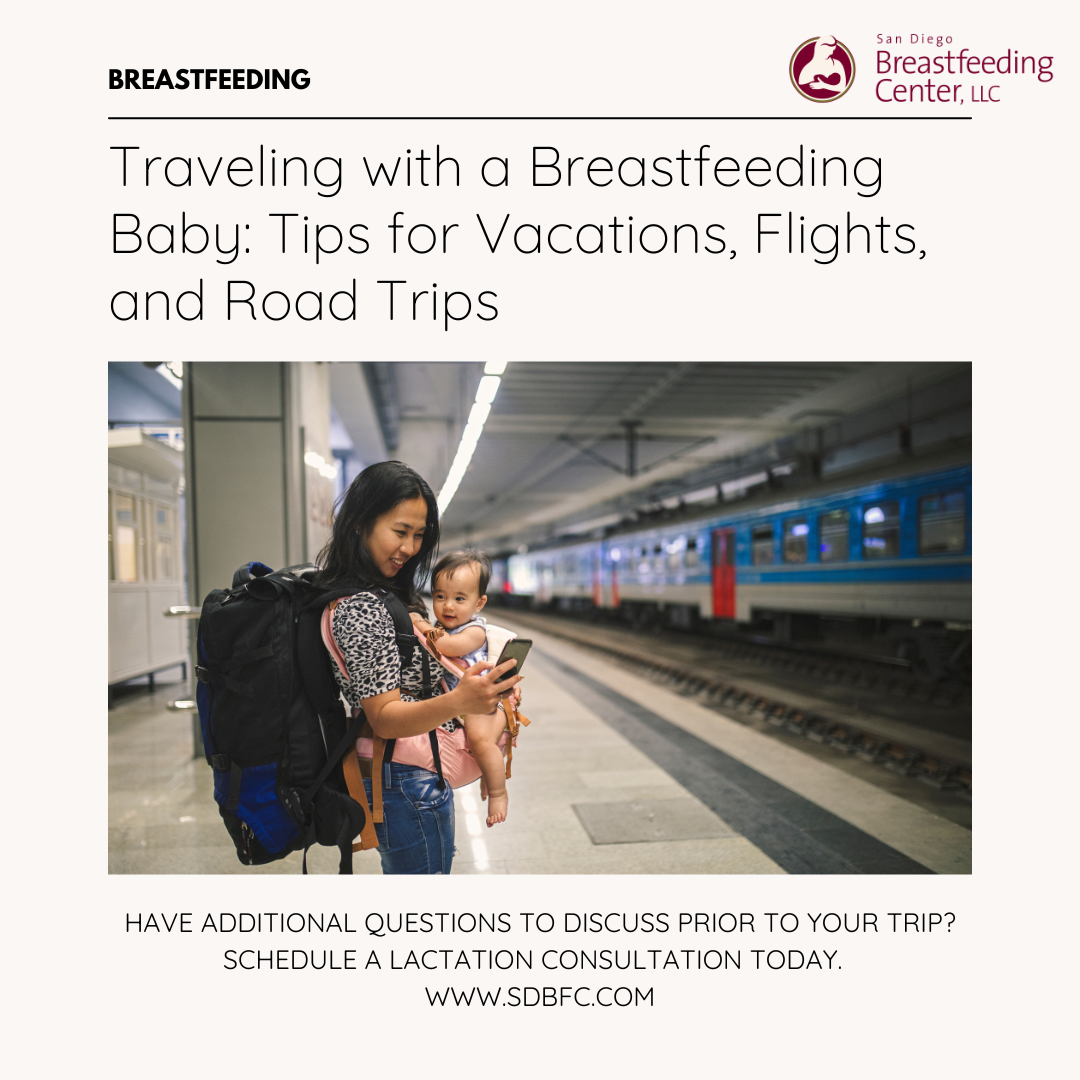
Traveling with a Breastfeeding Baby: Tips for Vacations, Flights, and Road Trips
Traveling with a breastfeeding baby? Learn practical tips for flights, vacations, and road trips, including feeding changes, milk supply, and travel preparation.
June 27, 2026 • Author: Robin Kaplan, M.Ed, IBCLC, FNC
Whether you're planning a vacation, visiting family, traveling for work, or taking a weekend getaway, it's normal to wonder how breastfeeding will fit into your plans. The good news? Breastfeeding often becomes one of the most helpful parenting tools while traveling. While feeding patterns may shift and routines may look different, a little preparation can help you feel confident before you go.

ABOUT SDBFC
The San Diego Breastfeeding Center was established in 2009 by Robin Kaplan, International Board Certified Lactation Consultant, Functional Nutritionist, and parent. Her vision was to create a judgment-free, inclusive support system for families navigating infant feeding challenges. SDBFC offers a wide range of one-on-one breastfeeding, infant feeding, and nutrition consultations - as well as classes, support groups, online articles, and social media - making it your one-stop-shop for all things infant feeding!
Your Baby May Feed Differently While Traveling
It's common for babies to nurse differently when they're away from home. They may:
Want to nurse more frequently for comfort and reassurance.
Become more distracted during feeds because of new sights and sounds.
Adjust their feeding schedule as routines change (especially if you’re traveling to a different time zone).
These temporary changes are usually normal. Instead of focusing on maintaining your usual schedule, follow your baby's feeding cues and allow for some flexibility.
More Frequent Nursing Doesn't Always Mean Low Milk Supply
Many parents worry that extra nursing during travel means their milk supply has decreased. In most cases, that's not the reason.
Remember that breastfeeding provides much more than nutrition. It also offers:
Comfort during unfamiliar situations.
Connection and emotional regulation.
A familiar source of security when routines change.
If you're concerned about your milk supply, look at the bigger picture by paying attention to diaper output, weight gain, and your baby's overall feeding behavior—not just how often they're nursing.
Breastfeeding Can Make Traveling Easier
Many parents are surprised to discover that breastfeeding actually simplifies travel. It can help:
Calm an overstimulated baby.
Comfort your baby during long travel days.
Support naps and sleep in unfamiliar places.
Provide an easy way to meet your baby's needs while you're on the go.
While every trip has its challenges, breastfeeding can be a valuable tool for both feeding and connection.
Flying? Know the TSA Guidelines
If you're traveling by air, it's helpful to review TSA policies before your trip.
Breastfeeding parents can bring:
Pumped milk and formula in quantities larger than 3.4 ounces.
Ice packs, freezer packs, and other supplies used to keep milk cold.
Breast pumps and feeding accessories.
You can also request alternative screening procedures and let TSA officers know if you prefer that your milk not be opened or X-rayed.
Helpful Resource: https://www.tsa.gov/travel/tsa-cares/traveling-children
Traveling for Work?
If you'll be away from your baby, a little planning can help protect your milk supply. Before your trip, think about:
Your pumping schedule.
Milk storage and transportation.
Access to pumping spaces while traveling.
Related Reading: Top 6 Tips for Protecting Your Milk Supply While Traveling for Work (These tips are also helpful when traveling for fun without your baby.)
Listen While You Pack
Want even more travel tips? Listen to our Boob Group podcast episode, Traveling with the Breastfeeding Baby, where we discuss:
What to expect when routines change.
Practical travel strategies (especially for nursing in public).
Tips for making the experience less stressful.
Before You Leave: A Quick Travel Checklist
A little preparation can help make your trip smoother. Before you head out, remember to:
Pack nursing pads, pump parts, chargers, and any feeding supplies you'll need.
Review TSA guidelines if you'll be flying.
Make a plan for storing and transporting pumped milk, if applicable.
Build extra time into your travel schedule for feeding breaks.
Dress in comfortable clothing that makes breastfeeding or pumping easy.
Keep your expectations flexible—your baby's feeding routine may look different while you're away, and that's completely normal.
Planning a trip? Continue reading with these helpful resources:
Looking for more breastfeeding travel support? These articles may help:
Give Yourself Permission to Enjoy the Trip
Traveling with a baby often means slowing down, building in extra time for naps and feedings, and being flexible with your plans—and that's okay. Breastfeeding doesn't have to keep you from traveling. In fact, many parents find it makes trips easier by providing a convenient and comforting way to meet their baby's needs wherever they are.
If you'd like personalized guidance before your trip, schedule a consultation with one of our IBCLCs. We can help you create a plan that supports your breastfeeding goals so you can spend less time worrying and more time enjoying your travels.
SDBFC is committed to providing high-quality lactation and functional nutrition consultations to parents in San Diego and beyond. Explore our postpartum, prenatal, and functional nutrition consultations, take a breastfeeding class or attend a workshop.
About the Author
Robin Kaplan has been an IBCLC since 2009, the same year that she opened up the San Diego Breastfeeding Center. Robin was the founding host of the Boob Group podcast and published her first book, Latch: a Handbook for Breastfeeding with Confidence at Every Stage in 2018. Melding her passions for supporting lactating parents and holistic health, Robin finished her Functional Nutrition Certification in 2023. In her free time, she enjoys hanging out with her two teenage boys, hiking, traveling, weaving, cooking, and searching for the best chai latte.

6 Tips for Protecting Your Milk Supply While Traveling for Work
Traveling for work while breastfeeding? Learn how to pump while traveling, store pumped milk, and protect your milk supply with these practical tips.
Originally published on May 21, 2015; Updated on June 27, 2026
We had this terrific question posted on our Facebook page:
“Dear Robin,
I leave tomorrow for a four day work trip and I can't take my baby with me. She has 6 feedings a day (one of those at night) so I'll be doing a good amount of pumping while I'm gone. Do you have any tips, specifically for pumping at airports and/or on planes? I'll be on a red eye there and a direct flight on the way back.”
Absolutely! Just because you have to travel for work doesn’t mean that you can’t protect your milk supply while you are gone.
Here are my top 6 tips for protecting your milk supply while traveling for work

1. Pack a Cooler for Transporting Milk
If you'll be bringing pumped milk home, pack one or two insulated cooler bags with frozen ice packs in your checked or carry-on luggage.
This will allow you to safely transport your milk during your trip home without worrying about keeping it cold. Breast milk storage bags can also help save space if you'll be pumping multiple times throughout your trip.
If you're flying, it's also helpful to know that breast milk is considered a medically necessary liquid by the TSA. You may bring breast milk, ice packs, and other pumping supplies through airport security, even if they exceed the standard 3.4-ounce liquid limit. Reviewing TSA guidelines before your trip can help make the security process smoother and give you peace of mind.
2. Plan Ahead for Milk Storage
Before you leave, call your hotel to confirm that your room has a refrigerator. If it doesn't, ask if one can be provided.
While you're out during the day, bring a small insulated cooler with ice packs so you have a safe place to store pumped milk until you return to your hotel.
3. Have a Pumping Plan for Travel Days
Think through your travel schedule before you leave so you know when you'll likely need to pump.
Depending on the length of your flight or drive, you may choose to:
Pump right before you leave.
Pump during your trip using a battery-powered or wearable pump.
Wait until you arrive if you'll only be delaying one pumping session.
The goal is to avoid going significantly longer than you normally would between milk removals whenever possible.
4. Consider a Wearable Pump
Today's wearable pumps can make pumping much more convenient while traveling.
Many parents find them helpful when:
Riding in a taxi or rideshare.
Between meetings or conference sessions.
Working in settings where a traditional pump isn't practical.
While wearable pumps may not completely replace your primary pump for everyone, they can be a great option when flexibility and discretion are important.
5. Pump as Close to Your Baby's Schedule as Possible
To help maintain your milk supply, aim to remove milk about as often as your baby would normally nurse (or at least every 3-4 hours during the day).
If your baby still feeds overnight, try to include a nighttime pumping session while you're away.
If you're attending meetings or conferences, ask ahead of time if there's a private room available for pumping. Remember—you deserve a clean, private space that is not a bathroom.
6. Research Pumping Spaces Before You Go
Many airports now offer dedicated lactation spaces, making it much easier to pump comfortably while traveling.
Before your trip:
Check whether your airports have lactation rooms or nursing suites.
Download the Mamava app to locate Mamava Lactation Suites throughout the United States.
If you're attending a conference or event, ask organizers about available pumping spaces before you arrive.
A little planning ahead can make travel days much less stressful.

Traveling for work while breastfeeding can feel overwhelming at first, but with the right preparation, many parents find a routine that works well for both them and their baby. If you have questions about pumping, maintaining your milk supply, or navigating time away from your baby, our IBCLCs are here to support you. Schedule a consultation before your trip and let us help you create a plan that fits your unique situation.

Preparing for Breastfeeding Before Baby Arrives: What Can Actually Help?
Many parents spend pregnancy preparing for birth and baby care, but feel less sure how to prepare for chest/breastfeeding and postpartum recovery. The good news? You do not need to have everything figured out before your baby arrives.
A few small steps during pregnancy can help you feel more informed, supported, and confident going into the postpartum period.
May 24, 2026 • Author: Robin Kaplan, M.Ed, IBCLC, FNC
“Should I prepare for breastfeeding before my baby arrives?”
“Do I need a breastfeeding class?”
“What supplies do I actually need?”
“Should I meet with a lactation consultant during pregnancy?”
If you’ve been asking yourself these questions, you’re not alone. Many parents spend pregnancy preparing for birth and baby care, but feel less sure how to prepare for chest/breastfeeding and postpartum recovery. The good news? You do not need to have everything figured out before your baby arrives.
A few small steps during pregnancy can help you feel more informed, supported, and confident going into the postpartum period.

ABOUT SDBFC
The San Diego Breastfeeding Center was established in 2009 by Robin Kaplan, International Board Certified Lactation Consultant, Functional Nutritionist, and parent. Her vision was to create a judgment-free, inclusive support system for families navigating infant feeding challenges. SDBFC offers a wide range of one-on-one breastfeeding, infant feeding, and nutrition consultations - as well as classes, support groups, online articles, and social media - making it your one-stop-shop for all things infant feeding!
Learn What Real Breastfeeding Experiences Can Look Like
One of the most helpful ways to prepare for chest/breastfeeding is hearing honest stories from other parents.
Our Breastfeeding Expectations podcast series (on The Boob Group podcast) follows families through different stages of feeding and postpartum life. In the first episode, three new parents discuss:
Their labor and delivery experiences
How they prepared for chest/breastfeeding
Support they needed in the early days
How their partners helped postpartum
[Here’s the first episode in the 12-episode Breastfeeding Expectations series]
Every feeding journey looks different. Some babies latch easily. Others need more time and support. Some parents feel confident right away, while others need reassurance and troubleshooting along the way. Hearing a variety of experiences can help normalize the learning curve that often comes with feeding a newborn.
Establish Lactation Support Before Birth
Many parents wait until challenges arise postpartum before searching for help. Identifying support resources during pregnancy can reduce stress during those early weeks.
This may include:
Researching local IBCLCs
Establishing care with a lactation office prenatally
Understanding insurance coverage for lactation visits
Discussing feeding goals with your partner or support system
Identifying friends or family members who can help postpartum
If you are considered high-risk for premature birth or for potential lactation challenges, meeting with an IBCLC during the third trimester can be especially helpful. Prenatal consultations can help families better understand what to expect, create a feeding plan, and feel more prepared if additional support is needed after birth.
Many families feel reassured knowing support is already in place if feeding concerns arise after birth.
Prepare for Postpartum Recovery — Not Just Baby
Parents often spend months preparing for baby, but much less time preparing for their own recovery. The early postpartum period can be physically and emotionally demanding, and practical support can make a significant difference.
Helpful preparation may include:
Meal prepping freezer meals
Stocking easy one-handed snacks
Setting up hydration stations
Creating comfortable feeding/rest areas
Asking for help with laundry or household tasks
Arranging support with older children
Discussing realistic expectations around rest and recovery
Having support systems in place is often more helpful than purchasing every feeding product online.
Learn What’s Normal for Feeding in the Early Weeks
Understanding normal newborn feeding behavior can help reduce unnecessary stress and self-doubt. Many parents are surprised by how often newborns feed during the first few weeks.
Common newborn feeding behaviors include:
Feeding 8–12+ times in 24 hours
Cluster feeding, especially in the evenings
Frequent overnight waking
Wanting close physical contact and contact naps
Milk coming in around days 3–5 postpartum
Many parents worry they are “not making enough milk” simply because feeding feels very constant in the beginning. Understanding what is biologically normal can help ease some of that anxiety.
I’ve Have My Baby, Now What: Breastfeeding During the First Week
I’ve Have My Baby, Now What: Breastfeeding During the Second Week
I’ve Have My Baby, Now What: Breastfeeding During Weeks 3-6
Breastfeeding Positions Can Make a Difference
Many parents find it easier to learn feeding positions visually rather than by reading descriptions alone.
Our DIY Breastfeeding YouTube playlist demonstrates several commonly used newborn feeding positions, including:
Side-lying
Laid-back
Cross-cradle hold
Football hold
Tandem nursing
DIY Breastfeeding YouTube Playlist for Positioning
Small positioning adjustments can sometimes make feeding more comfortable for both parent and baby. If feeding feels painful, stressful, or overwhelming, reaching out for support can help identify whether positioning, latch, milk transfer, or another issue may be contributing.
Take a Prenatal Infant Feeding Class
Not all breastfeeding classes are created equal. Look for a class taught by an experienced lactation professional that covers not only latch and milk supply, but also realistic postpartum expectations and local support resources.
We also encourage parents to attend a chest/breastfeeding support group during pregnancy. Visiting a group before your baby arrives can help you:
Learn where the group meets and what to expect
See breastfeeding in real life, without the pressure to “perform”
Connect with parents who are in the newborn stage
Ask questions about postpartum recovery and feeding
Build confidence returning after your baby is born
Many parents find that attending a support group prenatally helps them feel more comfortable, connected, and supported before feeding challenges arise.
One of our favorite class evaluation comments was: “The teacher even made my husband wish he could breastfeed!” Now that’s a successful class.
Needing Support Is Common
One of the most important things we want parents to know is this: needing chest/breastfeeding support is very common. Many families benefit from support even when feeding is going relatively well. Sometimes small adjustments with positioning, latch, pumping, or feeding routines can make a big difference. Chest/breastfeeding is something both parent and baby learn together over time. Reaching out for support is not a sign that you are doing something wrong — it’s part of the learning process.
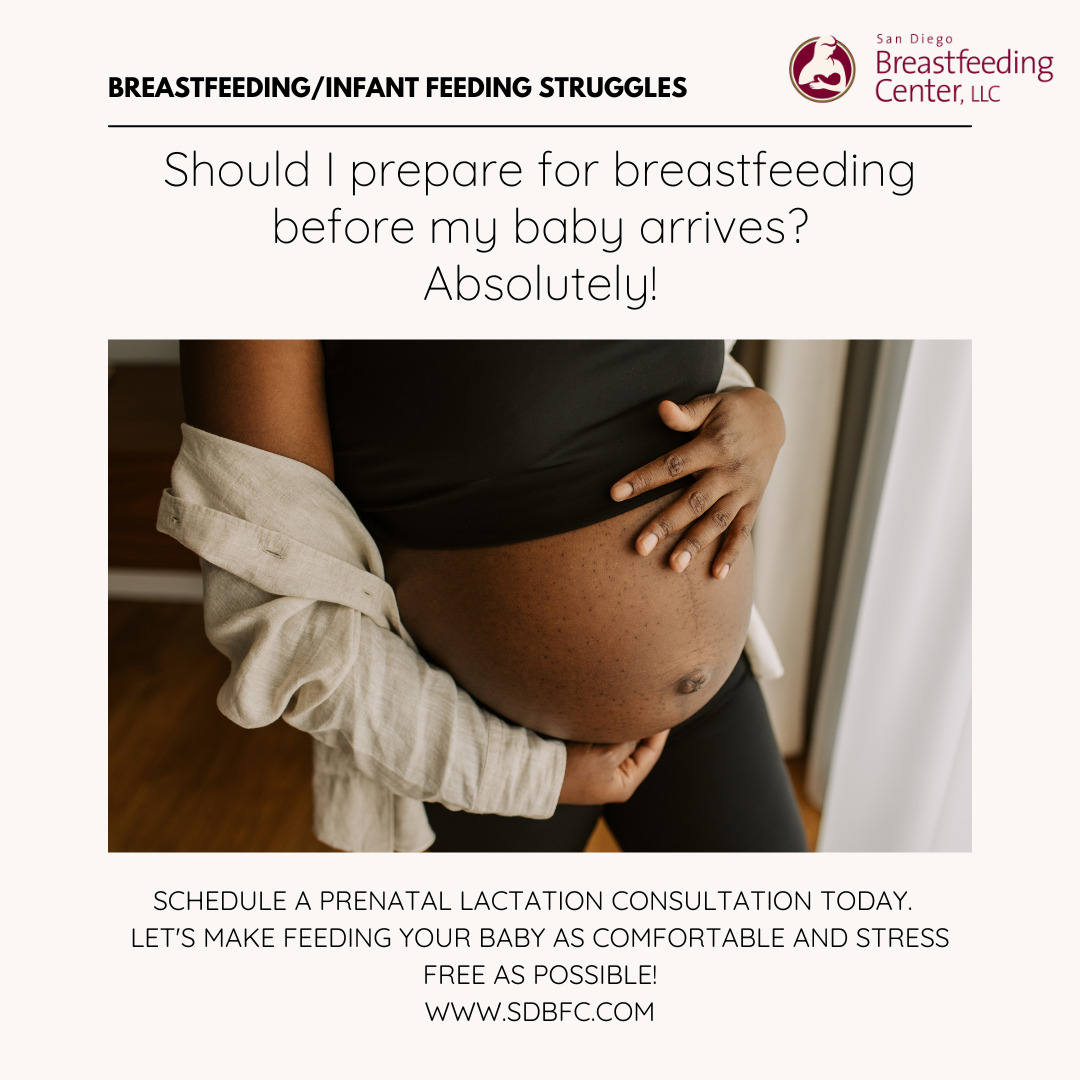
Preparing for chest/breastfeeding during pregnancy is not about planning for every possible scenario. It’s about building your support network, understanding what’s normal, and giving yourself space to learn along the way. Knowing where to turn for support — and hearing honest conversations about feeding and postpartum recovery — can help many parents feel more confident entering those early weeks with a new baby. If you would like support preparing for chest/breastfeeding before birth, our team at the San Diego Breastfeeding Center is here to help.
SDBFC is committed to providing high-quality lactation and functional nutrition consultations to parents in San Diego and beyond. Explore our postpartum, prenatal, and functional nutrition consultations, take a breastfeeding class or attend a workshop.
About the Author
Robin Kaplan has been an IBCLC since 2009, the same year that she opened up the San Diego Breastfeeding Center. Robin was the founding host of the Boob Group podcast and published her first book, Latch: a Handbook for Breastfeeding with Confidence at Every Stage in 2018. Melding her passions for supporting lactating parents and holistic health, Robin finished her Functional Nutrition Certification in 2023. In her free time, she enjoys hanging out with her two teenage boys, hiking, traveling, weaving, cooking, and searching for the best chai latte.

Meet SDBFC's Newest IBCLC - Ruth Hale
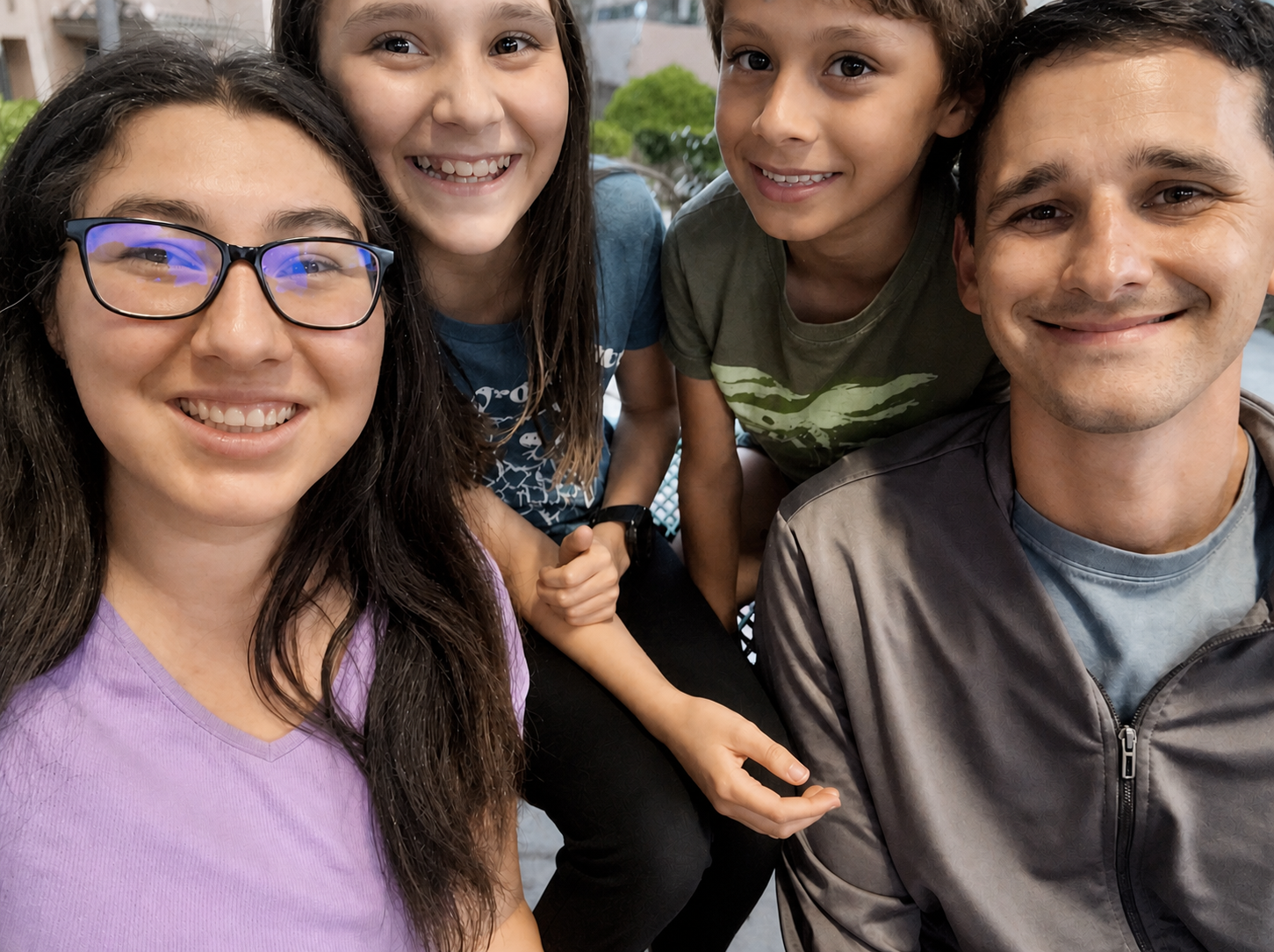
We are so thrilled to introduce you to our newest lactation consultant at SDBFC! Ruth joined us on May 11, 2026 and is available for lactation appointments, as well as doula benefit appointments! Here is our interview with Ruth. We can't wait for you all to meet her!
May 11, 2026 • Author: Robin Kaplan, M.Ed, IBCLC, FNC
We are so thrilled to introduce you to our newest lactation consultant at SDBFC! Ruth joined us on May 11, 2026 and is available for lactation appointments, as well as doula benefit appointments! Here is our interview with Ruth. We can't wait for you all to meet her!

ABOUT SDBFC
The San Diego Breastfeeding Center was established in 2009 by Robin Kaplan, International Board Certified Lactation Consultant, Functional Nutritionist, and parent. Her vision was to create a judgment-free, inclusive support system for families navigating infant feeding challenges. SDBFC offers a wide range of one-on-one breastfeeding, infant feeding, and nutrition consultations - as well as classes, support groups, online articles, and social media - making it your one-stop-shop for all things infant feeding!
Ruth, tell us about yourself!
I’m a second-generation Mexican-American, my mom is from Chihuahua, Mexico, and my dad was born and raised here in San Diego. I originally studied child development and spent years working with children. When my daughter was a baby, I even owned and ran a child development home, which gave me such a strong foundation in supporting families.
I met my husband 13 years ago, and after we got married, we lived in Japan for a few years. That’s where I had my daughter, and she spent the first year of her life there.
After moving back to San Diego, I started my journey toward becoming an IBCLC. During that time, I also became a doula and had my son. Being a Doula has really shaped my practice as an IBCLC for the past 4, almost 5, years. Now that both of my kids are in grade school, I’m soaking up this season, watching them grow, develop their own interests, and become their own people.
What inspired you to become a lactation consultant?
Having my daughter is really what sparked everything. When I was in Japan, I didn’t have access to support or community outside of the hospital. I found myself trying to figure things out on my own and spent a lot of time learning through resources like KellyMom.
Before we moved back, I realized this could actually be a profession, and when I saw that the program was right here in San Diego, it just felt like everything aligned.
That experience of not having support stayed with me. It’s a big part of why I do this work now. I want parents to feel supported, informed, and not alone.
What are you most excited about working for SDBFC?
I’m really excited to be part of a team. Lactation is so in-depth, and there are so many areas to grow and specialize in. Being able to collaborate, learn from each other, and support families together is something I really value.
I’m also incredibly excited to be part of the vision that Robin has created. The San Diego Breastfeeding Center was actually the first lactation practice I learned about when I came back to San Diego, and I’ve admired it ever since. From the Breastfeeding In Public Task Force to the non-profit foundation work, it’s inspiring to see the impact that’s been made in this community. I’m grateful to now be a part of that and to support whatever comes next.
What are your 3 top tips for a brand new chest/breastfeeding parent?
Ask for help - we’re not meant to do this alone. Villages require interdependence, and that starts with sharing your needs. Whether it’s feeding support, emotional support, or just someone to sit with you, it matters.
Find your community - look for spaces where you can talk openly about feeding and babies. So many things that feel overwhelming are actually very normal, but still hard, and knowing you're not alone helps. Hearing from others who’ve been there can make a huge difference.
Find professionals you trust - people who will listen to your goals, help guide you, and hold space for you as things evolve. You’re allowed to take your time. You’re allowed to change your plans. The right support will meet you wherever you are.
Ruth is available for lactation appointments, as well as infant-feeding focused prenatal/postpartum doula appointments.
SDBFC is committed to providing high-quality lactation and functional nutrition consultations to parents in San Diego and beyond. Explore our postpartum, prenatal, and functional nutrition consultations, take a breastfeeding class or attend a workshop.
About the Author
Robin Kaplan has been an IBCLC since 2009, the same year that she opened up the San Diego Breastfeeding Center. Robin was the founding host of the Boob Group podcast and published her first book, Latch: a Handbook for Breastfeeding with Confidence at Every Stage in 2018. Melding her passions for supporting lactating parents and holistic health, Robin finished her Functional Nutrition Certification in 2023. In her free time, she enjoys hanging out with her two teenage boys, hiking, traveling, weaving, cooking, and searching for the best chai latte.

Foremilk vs. Hindmilk: Do You Need to Worry About Milk Fat Balance?
Worried about foremilk vs. hindmilk? Learn what matters, when symptoms are relevant, and how to support your baby with expert lactation guidance.
Originally published on Feb 6, 2012; Revised on April 26, 2026 • Author: Robin Kaplan, M.Ed, IBCLC, FNC
“Am I switching sides too soon?”
“Is my baby getting enough of the fatty milk?”
“Should I be timing feeds?”
If you’ve found yourself asking these questions, you’re not alone. The idea of foremilk vs. hindmilk comes up often—and more often than not, it creates unnecessary stress.
Let’s simplify this in a way that actually supports you.

ABOUT SDBFC
The San Diego Breastfeeding Center was established in 2009 by Robin Kaplan, International Board Certified Lactation Consultant, Functional Nutritionist, and parent. Her vision was to create a judgment-free, inclusive support system for families navigating infant feeding challenges. SDBFC offers a wide range of one-on-one breastfeeding, infant feeding, and nutrition consultations - as well as classes, support groups, online articles, and social media - making it your one-stop-shop for all things infant feeding!
First, What Are Foremilk and Hindmilk?
All breastmilk (human milk) contains a mix of fat, carbohydrates, and nutrients—from the very beginning of a feeding to the very end.
As a feeding progresses, the fat content gradually increases:
Foremilk: the milk at the beginning of a feed (generally lower in fat/higher in water content)
Hindmilk: the milk later in the feed (higher in fat/lower in water content)
However, there is no strict line between the two.
Your baby receives both types of milk during every feeding.
How Do You Know Your Baby Is Getting Enough?
Instead of focusing on timing or switching sides “correctly,” look at your baby. In the early months, signs of adequate intake include:
Feeding at least 8 times in 24 hours
Gaining about 6-8 ounces per week (in the first 4 months)
Having several wet diapers each day
Having regular yellow stools
Your chest/breasts feeling softer after feeds
If your baby is meeting these markers, there’s no need to watch the clock or worry about “reaching hindmilk.”
Foremilk and Hindmilk Imbalance: When Symptoms Appear
Some babies show symptoms that are often attributed to “foremilk/hindmilk imbalance,” including:
Green, frothy stools
Gassiness or digestive discomfort
Choking or sputtering at the chest/breast
Gaining weight more rapidly than expected
These symptoms are often labeled as a “foremilk/hindmilk imbalance,” but that explanation can miss the bigger picture.
Before assuming oversupply, it’s important to look at what else might be going on.
Before Oversupply: Consider Gut Sensitivity
In many cases, these symptoms are related to your baby’s digestion—not just milk flow.
Food Sensitivities in Breastfed Babies
Some babies react to proteins in a parent’s diet (commonly dairy, soy, or other allergens), which can lead to:
Gas and fussiness
Changes in stool
Feeding discomfort
What you can do:
Notice if symptoms are persistent or worsening over time
Work with a lactation consultant or nutrition professional - while an elimination diet may be helpful temporarily, supporting and optimizing gut health for both parent and baby will improve symptoms long-term
Gut Disruption (Often After Antibiotics)
If you or your baby have recently had antibiotics, your baby’s gut may be more sensitive while the microbiome rebalances.
This can show up as:
Increased gas
Green, mucousy stools
General feeding discomfort
What you can do:
Continue responsive, cue-based feeding
Consider probiotic support (with guidance from your provider)
Give your baby’s system time to regulate
Oversupply and Fast Letdown: A Common Cause
If gut-related causes don’t fully explain what you’re seeing—and especially if you feel like you have a very abundant milk supply—oversupply may be part of the picture.
With oversupply:
Milk flow can be fast and forceful
Babies may take in a large volume quickly
They may fill up before comfortably accessing the fattier milk later in the feeding
In this situation, the goal is to help your baby stay on one breast long enough to access that higher-fat milk, while also gently regulating your supply.
How to Gently Support Oversupply
Stay on One Side/Breast Per Feeding
Offering one side/breast per feeding can help your baby:
Feed longer on one side
Access the full range of milk, including higher-fat milk
Feel more satisfied with a more manageable volume
Over time, this also helps bring your supply into better balance.
A note of caution:
If the other breast becomes overly full or uncomfortable:
Offer it if your baby is still showing hunger cues, or
Hand express or pump just enough for relief, not draining completely.
As your supply regulates, this typically becomes easier.
Use Positions That Slow Milk Flow
If your baby is also struggling with a fast letdown:
Try a more laid-back feeding position
Keep your baby slightly more upright (head higher than bottom)
These positions help your baby better control the pace of feeding.
Herbs (With Guidance)
Herbs like peppermint and sage may help reduce supply, but responses vary widely.
If you choose to try this approach:
Start slowly - 1 cup of tea/day
Pay close attention to how your body responds
Work with a lactation consultant for individualized guidance
Do You Need to Worry About Foremilk vs. Hindmilk?
For most families, the answer is no; foremilk vs. hindmilk is not something you need to actively manage. If your baby is growing well and feeding comfortably, your milk is meeting their needs exactly as it should. And if feeding feels uncomfortable, confusing, or stressful—there is always a reason, and there is always support available.

At the San Diego Breastfeeding Center, we work with families every day to sort through concerns like oversupply, feeding discomfort, and infant digestion. Whether you’re navigating something new or just want reassurance that things are on track, our team is here to support you. You can schedule a consultation to feel more confident in your feeding journey.
SDBFC is committed to providing high-quality lactation and functional nutrition consultations to parents in San Diego and beyond. Explore our postpartum, prenatal, and functional nutrition consultations, take a breastfeeding class or attend a workshop.
About the Author
Robin Kaplan has been an IBCLC since 2009, the same year that she opened up the San Diego Breastfeeding Center. Robin was the founding host of the Boob Group podcast and published her first book, Latch: a Handbook for Breastfeeding with Confidence at Every Stage in 2018. Melding her passions for supporting lactating parents and holistic health, Robin finished her Functional Nutrition Certification in 2023. In her free time, she enjoys hanging out with her two teenage boys, hiking, traveling, weaving, cooking, and searching for the best chai latte.

Chest/Breastfeeding After a Cesarean Birth
Originally published on April 10, 2022, 2023; Revised March 18, 2026
Author: Robin Kaplan, M.Ed, IBCLC, FNC

Let me start off by saying: Having a cesarean is not a deal breaker for chest/breastfeeding. You can absolutely have a full milk supply after a cesarean birth! Whether your child is born by emergency cesarean or scheduled, there are a few things you can do to minimize this surgery’s impact on your chest/breastfeeding experience. Here are some ways to set you up for success.
ABOUT SDBFC
The San Diego Breastfeeding Center was established in 2009 by Robin Kaplan, International Board Certified Lactation Consultant, Functional Nutritionist, and parent. Her vision was to create a judgment-free, inclusive support system for families navigating infant feeding challenges.
SDBFC offers a wide range of one-on-one breastfeeding, infant feeding, and nutrition consultations - as well as classes, support groups, online articles, and social media - making it your one-stop-shop for all things infant feeding!
Frequent breast/chest stimulation
Newborn babies want to feed every 2-3 hours (and sometimes every hour during cluster feeding times). This is what helps bring in your milk supply as quickly and robustly as possible. This is especially important after a Cesarean birth, when there is a higher risk of a delay in milk ‘coming in.’ Rousing your sleepy baby to feed will help get in that important frequent stimulation to trigger prolactin - the milk supply hormone. And if your baby is having difficulties latching, consider pumping after breastfeeding attempts; this can help bring in your milk supply more quickly.
Be gentle to your abdomen
Having a cesarean is major abdominal surgery, so move slowly and try to rest as much as possible. Try chest/breastfeeding in the football hold so that your baby is not resting on your abdomen while feeding. Eventually you can move to a standard cradle or cross-cradle hold once your abdomen is less tender. If at all possible, have a support person help you get set up in a comfortable nursing spot and bring your baby to you, to minimize stress on your incision.
Lot of skin to skin
Who doesn’t love the thought of a yummy, squishy baby snuggling on their chest? Skin to skin calms your baby, regulates both of your nervous systems, regulates their oxygen levels and temperature, and gives them access to your chest/breast (i.e. food). It also increases your oxytocin (the amazing love hormone!) and helps bring in your milk supply. Win-win for everyone involved!
Help your body get rid of swelling
Some parents experience temporary swelling (edema) in their hands, feet, and chest/breasts after a cesarean. This is due to the fluids given during your surgery. Edema can cause a delay in your milk supply ‘coming in,’ as the excess fluid is competing with your milk in your chest/breasts. It can also cause your chest/breasts to feel engorged, making it more difficult for your newborn to latch on. Here are some ways to help your body process/reduce swelling:
Drink lots of water with lemon or cucumber
Keep your legs elevated, preferably above your hips
Drink a cup or two of dandelion tea/day (unless you are on anticoagulants) - this can be hot or iced
Avoid salty foods
Wear compression socks
Hand expression / pumping while in the hospital
Research studies show that hand expression after nursing (a few times a day during the first few days postpartum) brings in your milk supply more quickly, as well as increases future milk production. And if you are separated from your baby or having difficulties latching during those first few days, hand expression after pumping can help remove your colostrum more effectively. Check out this video which shows how to hand express colostrum.
Protect your gut and your nipples
Most likely you will be given antibiotics before or after cord clamping. Antibiotics kill off the bad bacteria AND good bacteria in your gut. So, you will want to start taking a high-quality probiotic to recolonize your gut with good bacteria for a few weeks. This will help your digestive system, as well as prevent a yeast infection or nipple thrush.
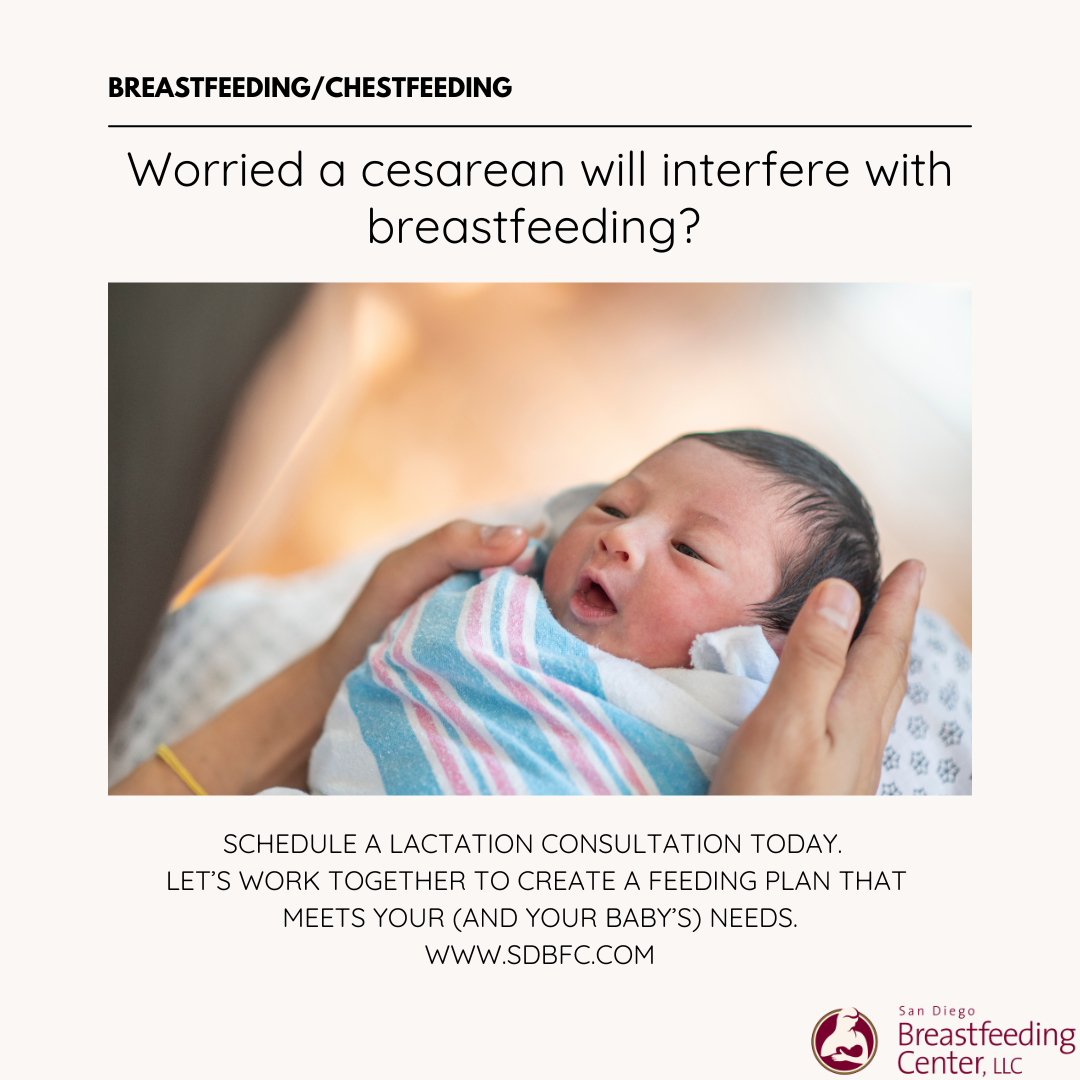
Recovering from a C-section? Schedule a consultation for guidance on milk supply, comfort, and positions.
Don’t let milk supply or feeding struggles cause stress for you or your baby! At each lactation appointment, our lactation consultants complete a full oral assessment, discuss feeding patterns, take a full history on your milk supply, and offer strategies for boosting your milk supply, if needed. Book a one-on-one lactation consultation today.
SDBFC is committed to providing high-quality lactation and functional nutrition consultations to parents in San Diego and beyond. Explore our postpartum, prenatal, and functional nutrition consultations, take a breastfeeding class or attend a workshop.
About the Author
Robin Kaplan has been an IBCLC since 2009, the same year that she opened up the San Diego Breastfeeding Center. Robin was the founding host of the Boob Group podcast and published her first book, Latch: a Handbook for Breastfeeding with Confidence at Every Stage in 2018. Melding her passions for supporting lactating parents and holistic health, Robin finished her Functional Nutrition Certification in 2023. In her free time, she enjoys hanging out with her two teenage boys, hiking, traveling, weaving, cooking, and searching for the best matcha latte.

Functional Nutrition for Pregnancy & Postpartum: Support Your Health and Your Baby’s Wellbeing
Pregnancy and postpartum are often painted as joyful seasons—but the truth is, they can also feel overwhelming, exhausting, and full of confusing symptoms. Maybe you’ve been told your bloating, constipation, or fatigue are “just part of postpartum.” Or that your baby’s fussiness is normal and they’ll eventually grow out of it. Perhaps you’ve even been advised to “just cut out dairy” without anyone looking deeper into what’s really going on.
Published Oct 5, 2025
Author: Robin Kaplan, M.Ed, IBCLC, FNC
Pregnancy and postpartum are often painted as joyful seasons—but the truth is, they can also feel overwhelming, exhausting, and full of confusing symptoms. Maybe you’ve been told your bloating, constipation, or fatigue are “just part of postpartum.” Or that your baby’s fussiness is normal and they’ll eventually grow out of it. Perhaps you’ve even been advised to “just cut out dairy” without anyone looking deeper into what’s really going on.
ABOUT SDBFC
The San Diego Breastfeeding Center was established in 2009 by Robin Kaplan, International Board Certified Lactation Consultant, Functional Nutritionist, and parent. Her vision was to create a judgment-free, inclusive support system for families navigating infant feeding challenges.
SDBFC offers a wide range of one-on-one breastfeeding, infant feeding, and nutrition consultations - as well as classes, support groups, online articles, and social media - making it your one-stop-shop for all things infant feeding!
Why Functional Nutrition Matters for Lactating Parents
Our medical history and diet play a huge role in shaping our gut microbiome. Over time, things like thyroid conditions, insulin sensitivity, PCOS, antibiotics, or food intolerances can cause inflammation in the body. This inflammation impacts how we digest food, absorb nutrients, process hormones like insulin and estrogen, and how our body feels overall.
When you’re producing milk, this becomes an even bigger part of the story. If your gut isn’t breaking down proteins well, your baby may react to some of the foods you eat—not because the food itself is “bad,” but because of how your body is processing it. That’s why simply removing dairy or waiting for your baby to “grow out of it” is often just a band-aid. Functional nutrition looks deeper at your health history to heal your gut, which in turn helps your baby digest your milk more comfortably.
And if antibiotics were given during pregnancy, labor, or postpartum, rebuilding “good” bacteria for both parent and baby can help remedy mucus in stool, colic-like symptoms, constipation, and yeast.
What if you didn’t have to just wait it out? With the right support, you can address the root causes of your symptoms, restore balance, and help both you and your baby thrive.
What is Functional Nutrition?
Functional nutrition connects the dots between symptoms and their root causes. Instead of quick fixes, it looks at diet, lifestyle, illness, stress, environment, and genetics to create a personalized plan that supports long-term health for you and your baby.
Who Benefits from a Prenatal Functional Nutrition Appointment?
Pregnancy is the perfect time to lay a strong foundation for both your health and your baby’s development. Functional nutrition may be especially helpful if you are:
Preparing for lactation after a history of low milk supply or breastfeeding/chestfeeding challenges
Managing conditions like PCOS, thyroid imbalance, or gestational diabetes
Looking for a holistic, evidence-based approach to support pregnancy and baby’s growth
Who Benefits from a Postpartum Functional Nutrition Appointment?
The postpartum period brings healing, shifting hormones, and new demands—especially if you’re lactating. Support may be most helpful for:
Adults with chronic inflammation, autoimmune conditions, PCOS, insulin resistance, or gut challenges
Lactating parents struggling with unexplained low supply, plugged ducts, or recurring breast infections
Parents or babies experiencing constipation, diarrhea, bloating, or other digestive discomfort
Babies with reflux, colic, suspected food intolerances, or yeast-related issues
Benefits of Meeting with a Functional Nutrition Counselor
One of the biggest benefits? Being heard. Instead of dismissing symptoms, functional nutrition helps uncover the why behind them—so you can heal and feel better long term. Outcomes may include:
Improved digestion and gut health (for parent and baby!)
Reduced inflammation and food/nutrient absorption
Enhanced immune function
Balanced hormones
Robust milk supply
Improved mood and mental health
Lower risk of chronic conditions like thyroid imbalance, insulin resistance, and autoimmune disorders
Do All Functional Nutrition Counselors Recommend Elimination Diets?
Not at all. Functional nutrition is personalized, not one-size-fits-all. While elimination diets can help identify food sensitivities, they’re not always needed.
Food journals may be used to spot patterns and triggers
If an elimination diet is suggested, it’s usually temporary. And we always provide replacement food recommendations and recipes!
The goal is to heal underlying issues so foods can be reintroduced
Recommendations may also include supplements and lifestyle changes for lasting results
Taking the Next Step
If you’re curious about whether functional nutrition could help during pregnancy or postpartum, the best place to start is with a conversation.
Here’s how to get started:
Book your appointment with our IBCLC + functional nutrition counselor, Robin Kaplan (SDBFC Founder and Owner!)
Fill out our comprehensive intake form so we can understand your full health picture, as well as your baby’s.
Begin your personalized journey with a plan designed just for you and your baby

Whether you’re navigating pregnancy, the early postpartum weeks, or beyond, functional nutrition can be the key to feeling more energized, balanced, and healthy. We can’t wait to help you and your baby thrive.
Don’t let milk supply or digestion troubles cause stress for you or your baby! At each functional nutrition appointment, our IBCLC/Functional Nutritionist completes a full medical history and lactation intake, discusses feeding patterns and symptoms, and offers strategies for supporting your milk supply and healing underlying conditions. Plus, if you are already working with a lactation consultant, we will work collaboratively to support their recommendations and weave in functional nutrition components! Book a one-on-one functional nutrition consultation today
SDBFC is committed to providing high-quality lactation and functional nutrition consultations to parents in San Diego and beyond. Explore our postpartum, prenatal, and functional nutrition consultations, take a breastfeeding class or attend a workshop.
About the Author
Robin Kaplan has been an IBCLC since 2009, the same year that she opened up the San Diego Breastfeeding Center. Robin was the founding host of the Boob Group podcast and published her first book, Latch: a Handbook for Breastfeeding with Confidence at Every Stage in 2018. Melding her passions for supporting lactating parents and holistic health, Robin finished her Functional Nutrition Certification in 2023. In her free time, she enjoys hanging out with her two teenage boys, hiking, traveling, weaving, cooking, and searching for the best chai latte.