Your Nutrition Matters, Too: Eating Well While Breastfeeding
One of the first questions nearly every new parent asks is, “Is my baby eating enough?”
We watch wet diapers, weight gain, and feeding cues because we want to know our babies are getting everything they need to grow and thrive. But there’s another question I wish more lactating parents would ask themselves:
Am I eating enough?
Aug 29, 2026 • Author: Robin Kaplan, M.Ed, IBCLC, FNC
One of the first questions nearly every new parent asks is, “Is my baby eating enough?”
We watch wet diapers, weight gain, and feeding cues because we want to know our babies are getting everything they need to grow and thrive. But there’s another question I wish more lactating parents would ask themselves:
Am I eating enough?
Between feeding your baby, recovering from birth, managing sleepless nights, and adjusting to life with a newborn, it’s incredibly easy for your own meals to become an afterthought. Maybe breakfast is coffee and a piece of toast, lunch happens at 3:00 p.m., or you realize at dinner that you’ve barely eaten all day.
If that sounds familiar, you’re not alone.
One of the most common nutrition concerns I see isn’t necessarily that breastfeeding parents are eating the “wrong” foods. It’s that many simply aren’t eating enough—or aren’t getting enough nutrient-rich foods to support everything their bodies are doing.

ABOUT SDBFC
The San Diego Breastfeeding Center was established in 2009 by Robin Kaplan, International Board Certified Lactation Consultant, Functional Nutritionist, and parent. Her vision was to create a judgment-free, inclusive support system for families navigating infant feeding challenges. SDBFC offers a wide range of one-on-one breastfeeding, infant feeding, and nutrition consultations - as well as classes, support groups, online articles, and social media - making it your one-stop-shop for all things infant feeding!
Why Eating Enough Matters While Breastfeeding
Producing milk requires a significant amount of energy. Lactating parents generally need 500-700 additional calories each day, although individual needs vary based on factors such as body size, activity level, and how often you’re breastfeeding or pumping.
That doesn’t mean you need to count calories. What matters more is making sure you’re consistently nourishing yourself throughout the day.
Your body uses nutrients from both the foods you eat and the nutrient stores you’ve built over time to make milk. Your body is remarkably good at prioritizing milk production, but that doesn’t mean you won’t feel the effects if you’re regularly skipping meals or not getting the nutrients you need.
Not eating enough can leave you feeling even more tired and depleted during a time when your body is also recovering from pregnancy and birth. Good nutrition supports your energy, recovery, mood, overall health, and the ongoing work of producing milk.
So rather than focusing on eating perfectly, I encourage lactating parents to think about one thing:
How can I get more nourishment into my day?
How Can I Nourish My Body Best While Breastfeeding/Lactating?
A good place to start is with nutrient-rich foods—foods that provide plenty of vitamins, minerals, protein, healthy fats, fiber, and other nutrients.
You don’t need a complicated meal plan. Instead, try to include a combination of protein, healthy fats, fiber-rich carbohydrates, and fruits or vegetables throughout your day.
Protein
Protein supports tissue repair, provides important amino acids for your baby’s growth, and can help keep you feeling satisfied and energized.
Good sources include:
Eggs
Greek yogurt and cottage cheese
Chicken and turkey
Salmon, tuna, and other fish
Lean beef
Beans and lentils
Tofu
Nuts and nut butters
Healthy Fats
Fat is an important source of energy during lactation, and certain fats—including omega-3 fatty acids—support your baby’s developing brain and nervous system.
Try foods such as:
Avocado
Olive oil
Nuts and seeds
Nut butters
Salmon and other fatty fish
Chia, flax, and hemp seeds
Fiber-Rich Carbohydrates
Carbohydrates are an important source of energy. Choosing carbohydrates that also contain fiber can provide more sustained energy, support digestive health, balance blood sugar, and help keep you satisfied.
Examples include:
Oatmeal
Whole-grain bread and pasta
Brown rice
Quinoa
Sweet potatoes
Beans
Fresh fruit
Aim for a Rainbow of Colors
One of the simplest ways to increase the variety of nutrients in your diet is to eat a variety of colorful fruits and vegetables.
Think berries, leafy greens, tomatoes, bell peppers, carrots, sweet potatoes, broccoli, citrus, and whatever produce you enjoy and will actually eat. Different colors provide different vitamins, minerals, and antioxidants, so instead of worrying about eating a specific “superfood,” aim for variety throughout the week.
And remember that frozen fruits and vegetables count, too. They’re nutritious, affordable, convenient, and often much easier to keep on hand during the postpartum period.
What Can This Look Like on a Real Day?
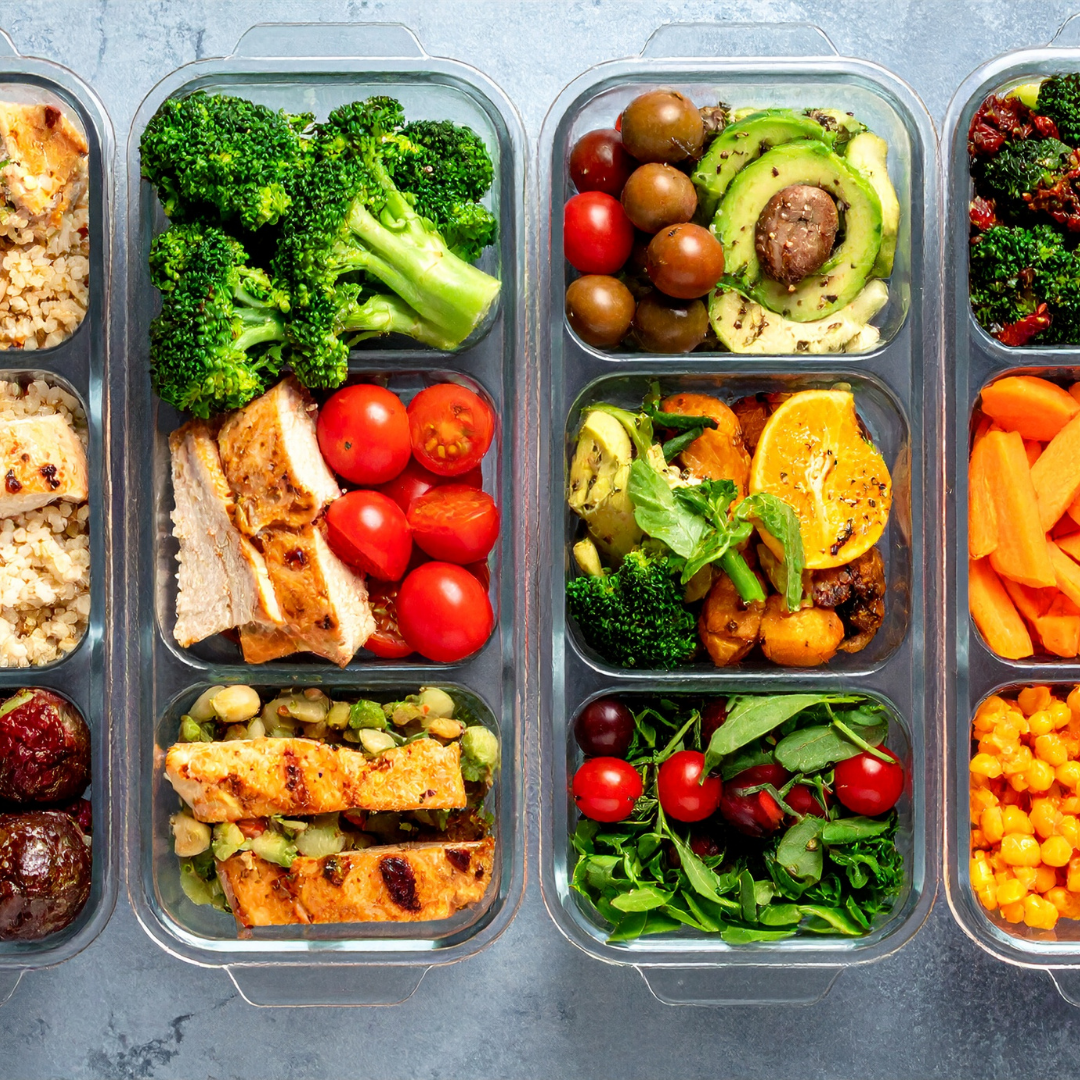
Healthy eating while breastfeeding/pumping doesn’t have to mean elaborate recipes or hours of meal prep.
Here are some simple ideas:
Breakfast
Eggs, whole-grain toast, avocado, and berries
Greek yogurt with berries, nuts, and granola
Overnight oats with chia seeds, fruit, and nut butter
Lunch
Turkey and avocado sandwich with vegetables and fruit
Chicken and quinoa bowl with roasted vegetables
Bean soup with whole-grain bread and a side salad
Dinner
Salmon with sweet potatoes and broccoli
Chicken with brown rice and colorful roasted vegetables
Turkey chili with beans, avocado, and your favorite toppings
Snacks
Apple with peanut butter
Greek yogurt or cottage cheese with fruit
Hummus and vegetables
Trail mix
Cheese and whole-grain crackers
These are examples, not rules. The goal is to find combinations that work for your tastes, budget, culture, and lifestyle.
Do You Still Need a Prenatal or Postnatal Vitamin?
For many lactating parents, continuing a high-quality prenatal or postnatal vitamin can help fill nutritional gaps during lactation.
Nutrients that are particularly important during this stage include vitamin D, iodine, B vitamins such as folate and B12, zinc, omega-3 fatty acids such as DHA, and iron when appropriate.
There’s much more to say about choosing the right prenatal or postnatal supplement, so we’ll save that for another blog. For now, remember that supplements are meant to supplement a nutrient-rich diet, not replace one.
Keep It Realistic
You don’t have to overhaul your diet to nourish yourself well.
Cook extra servings at dinner and eat the leftovers for lunch.
Keep frozen fruits and vegetables in the freezer.
Have easy protein options and snacks available so you can grab something when you’re hungry.
If a smoothie is easier than making breakfast some mornings, make the smoothie.
And if all you manage to eat is a sandwich while holding your baby, that counts, too. Small, consistent choices matter much more than trying to eat perfectly.
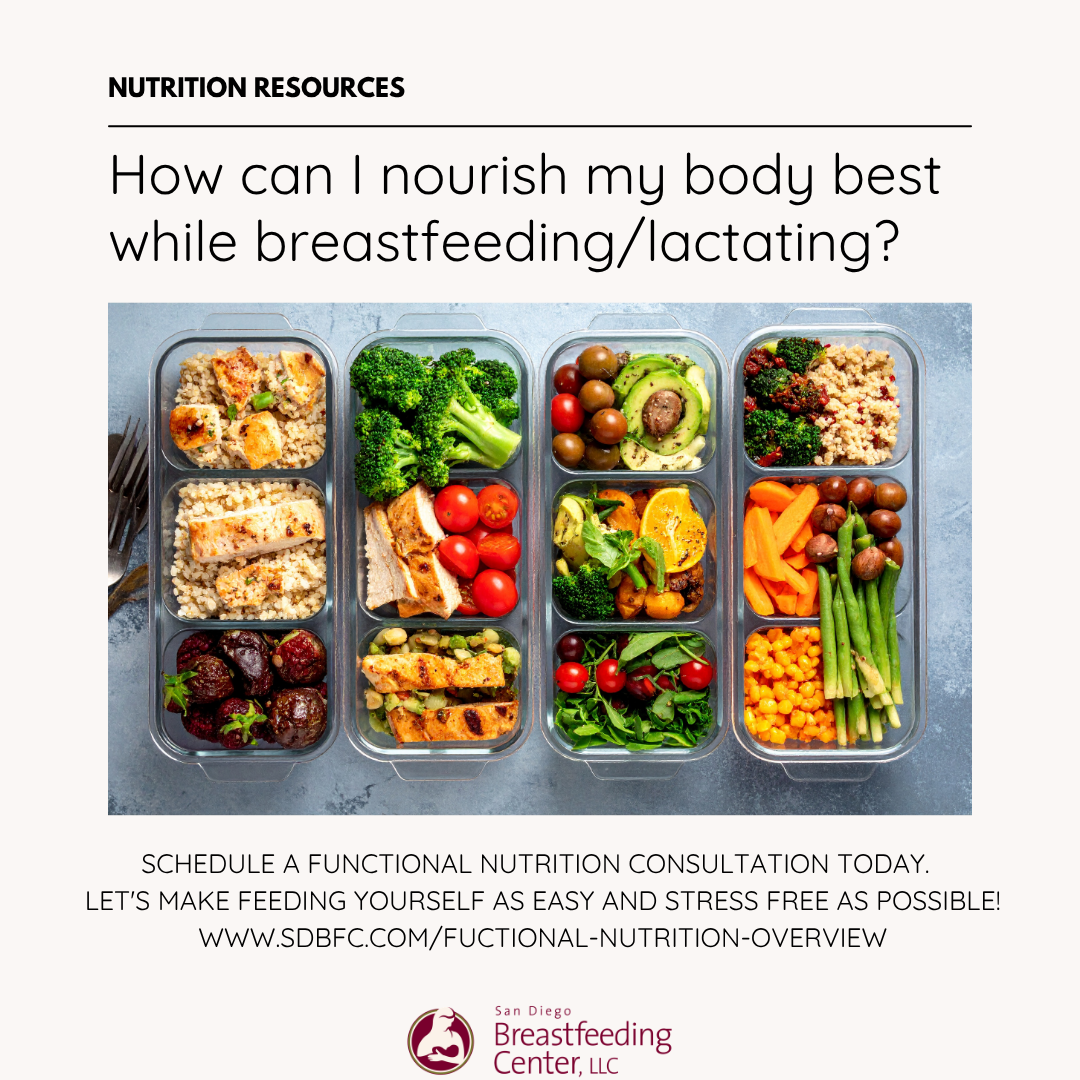
If you’re reading this thinking, “I understand what I should be eating, but I have no idea how to make this work for me,” that’s exactly where individualized support can help.
You can schedule a Functional Nutrition Consultation for personalized support with meal planning, nutrient needs, supplement recommendations, and nutrition concerns during the postpartum and breastfeeding period. Whether you’re dealing with a specific concern such as low milk supply or reflux, or simply want to make sure you’re nourishing yourself well, recommendations can be tailored to your health history, feeding goals, and lifestyle. These visits may also be covered by insurance as part of your lactation care.
Most importantly, remember that so much attention during the postpartum period is understandably focused on nourishing your baby—but you need nourishment, too.
Taking care of the person doing the feeding is part of supporting the breastfeeding/lactating journey.
SDBFC is committed to providing high-quality lactation and functional nutrition consultations to parents in San Diego and beyond. Explore our postpartum, prenatal, and functional nutrition consultations, take a breastfeeding class or attend a workshop.
About the Author
Robin Kaplan has been an IBCLC since 2009, the same year that she opened up the San Diego Breastfeeding Center. Robin was the founding host of the Boob Group podcast and published her first book, Latch: a Handbook for Breastfeeding with Confidence at Every Stage in 2018. Melding her passions for supporting lactating parents and holistic health, Robin finished her Functional Nutrition Certification in 2023. In her free time, she enjoys hanging out with her two teenage boys, hiking, traveling, weaving, cooking, and searching for the best chai latte.


The Secret Link Between Liver Health and Milk Supply
Let’s explore the liver’s role in lactation, how insulin helps prepare your body during pregnancy and postpartum, and practical ways to support your liver and overall health for the most robust milk supply possible!
Published: Jan 25, 2025
Author: Robin Kaplan, M.Ed, IBCLC, FNC

When we think about lactation, we often focus on the chest/breasts themselves, but did you know that the liver plays a central role in your body’s ability to produce milk? This powerhouse organ helps regulate hormones such as estrogen, androgens, and insulin—all of which play an important role in milk production. It also manages inflammation, ensuring that your body’s systems work in harmony. But disruptions in liver function—often linked to conditions like insulin resistance, PCOS, or leaky gut—can impact milk supply and make chest/breastfeeding more challenging.
Let’s explore the liver’s role in lactation, how insulin helps prepare your body during pregnancy and postpartum, and practical ways to support your liver and overall health for the most robust milk supply possible!
ABOUT SDBFC
The San Diego Breastfeeding Center was established in 2009 by Robin Kaplan, International Board Certified Lactation Consultant, Functional Nutritionist, and parent. Her vision was to create a judgment-free, inclusive support system for families navigating infant feeding challenges. SDBFC offers a wide range of one-on-one breastfeeding, infant feeding, and nutrition consultations - as well as classes, support groups, online articles, and social media - making it your one-stop-shop for all things infant feeding!
Why Insulin is Important During Pregnancy and Postpartum
Insulin does more than regulate blood sugar; it’s also a critical hormone for lactation. During pregnancy, insulin helps build mammary gland tissue, laying the foundation for milk production. This is especially important in late pregnancy when your body prepares for making milk.
After birth, insulin sensitivity helps regulate prolactin, the hormone responsible for milk production. If your insulin sensitivity is low—a common issue with conditions like PCOS or gestational diabetes—it can delay lactogenesis (the onset of milk production) or result in a lower milk supply. Ensuring optimal insulin function during pregnancy and postpartum is essential for a robust milk supply and positive chest/breastfeeding outcomes.
How PCOS and Insulin Resistance Impact Lactation
Polycystic ovary syndrome (PCOS) and insulin resistance are common conditions that can significantly impact insulin sensitivity, liver function, and ultimately lactation. In PCOS, hormonal imbalances often lead to higher levels of androgens, which can interfere with ovulation and milk production. Additionally, insulin resistance—a hallmark of PCOS—can impair the liver’s ability to use insulin efficiently. This creates a feedback loop of heightened inflammation, poor blood sugar regulation, and disrupted hormone balance.
For chest/breastfeeding parents, these issues can delay or reduce milk supply. The liver’s role in processing insulin and hormones becomes even more critical in mitigating these effects. Supporting liver health can help break this cycle, improve hormonal regulation, and promote an easier lactation experience.
How to Support Liver and Gut Health for Lactation
The good news is that there are evidence-based strategies you can implement to support your liver’s function and improve insulin sensitivity. By making small, manageable changes to your diet and lifestyle, you can create a healthier foundation for lactation and overall well-being. If you’re unsure how to make these accommodations, working with a functional nutrition counselor, like Robin, can be a helpful step.
1. Prioritize a Low-Carb, High-Fiber Diet
Your liver and gut are closely connected through the gut-liver axis, meaning that improving one often supports the other. Here are practical ways to nurture both:
Focus on low-starch vegetables to support liver health and reduce blood sugar spikes. These tend to be the veggies that grow above ground, like leafy greens, zucchini, and asparagus.
Incorporate fiber-rich foods such as berries, flaxseeds, chia seeds, and non-starchy vegetables to promote gut health and improve insulin sensitivity.
Minimize refined sugars and highly processed carbs that can contribute to insulin resistance.
Include healthy fats like avocado, olive oil, and fatty fish to reduce inflammation and support hormone production.
2. Engage in Regular Physical Activity
Activities like walking, yoga, or strength training improve insulin sensitivity, reduce systemic inflammation, and support the liver’s ability to metabolize fat and hormones.
Aim for 20-30 minutes of moderate exercise most days, adjusting intensity based on how far along you are in your pregnancy and postpartum recovery stage.
Focus on physical activities that you enjoy and look forward to, so it doesn’t feel like a chore.
Incorporate your baby into physical activity, such as stroller walks, babywearing yoga, parent-and-me fitness classes, or hanging out on a playmat while you do a quick YouTube workout, so you don’t have to find childcare.
3. Consider Liver- and Gut-Supportive Herbs and Supplements
If you're currently using an herbal blend to support your milk supply, you may already be consuming some of these ingredients, as many herbs recommended for boosting milk supply also support liver function. (WOW, right?)
*** Before starting any new supplements, it's important to consult with someone who is knowledgeable about herbs and supplements—someone who can guide you on how they might interact with anything you're already taking, and help determine which ones are most suitable for your body.
Milk thistle: Known for enhancing liver detoxification and repair.
Turmeric: Contains curcumin, which has anti-inflammatory and liver-protective effects.
Artichoke extract: Promotes bile production and overall liver function.
Collagen or bone broth: Helps repair the gut lining and supports gut health.
L-glutamine: An amino acid that supports intestinal integrity and reduces gut inflammation.
4. Keep On Lactating
Producing milk for at least six months significantly improves blood sugar levels and reduces the risk of insulin resistance long term.
Chest/breastfeeding not only benefits your baby but also promotes lasting metabolic health and supports your body’s hormonal balance during the postpartum period.
Additionally, lactating for longer than six months may help you build a more robust milk supply with each consecutive baby, setting the stage for smoother chest/breastfeeding experiences in the future.
Supporting Your Liver, Gut, and Hormones for a Robust Milk Supply
Taking care of your liver and gut health can be a gentle way to support your body in balancing hormones and managing inflammation—both of which play important roles in lactation. Small adjustments to your diet, movement, and supplements can have a meaningful impact on your milk supply and chest/breastfeeding experience.
If you're facing challenges with low milk production, please know that you're not alone. Every chest/breastfeeding journey is unique, and it’s okay to feel uncertain or frustrated at times. If you suspect underlying health concerns like PCOS, insulin resistance, or gut issues, making a functional nutrition appointment can be a helpful step toward understanding what’s going on and finding the support you need. Your body is doing its best, and with the right care and guidance, you can make progress toward the breastfeeding experience you hope for.

Ready to Support Your Milk Supply?
Whether you're pregnant and looking to become more insulin sensitive or postpartum and facing challenges with milk production, Robin Kaplan, Functional Nutrition Counselor, is here to help. Robin can guide you through personalized nutrition plans and gentle lifestyle adjustments to support your liver, gut, and hormones, optimizing your body's ability to produce milk and manage inflammation.
Reach out today to schedule your one-on-one appointment with Robin (consider a virtual appointment, if you don’t live in San Diego!) and take the next step toward a more nourishing and confident chest/breastfeeding experience. Your body’s potential is greater than you may think, and Robin’s compassionate, individualized care can help you unlock it.
SDBFC is committed to providing high-quality lactation and functional nutrition consultations to parents in San Diego and beyond. Explore our postpartum, prenatal, and functional nutrition consultations, take a breastfeeding class or attend a workshop.
About the Author
Robin Kaplan has been an IBCLC since 2009, the same year that she opened up the San Diego Breastfeeding Center. Robin was the founding host of the Boob Group podcast and published her first book, Latch: a Handbook for Breastfeeding with Confidence at Every Stage in 2018. Melding her passions for supporting lactating parents and holistic health, Robin finished her Functional Nutrition Certification in 2023. In her free time, she enjoys hanging out with her two teenage boys, hiking, traveling, weaving, cooking, and searching for the best chai latte.



Help a Mama Out: Foods that Support Your Milk Supply
We know it can be difficult to eat those 1800-2000 (or more if you are exercising) calories a day to keep up a robust milk supply while breastfeeding, so here are some fantastic tips for delicious, easy, nutritious snacks! Remember: Think healthy fats, complete proteins, and green veggies!
Here are some of the most effective milk production-supporting foods out there:
- Vegetables: green leafy vegetables, onion, garlic, asparagus, carrots, sweet potatoes, cauliflower, mushrooms, and seaweed
- Fruits: figs, dates, apricots, green papaya
- Nuts and Seeds: raw almonds and cashews, sesame seeds, flaxseed
- Oils: Extra virgin olive oil, organic butter, sesame seed oil, coconut oil, essential fatty acids (EFA)
- Grains and Legumes: quinoa, amaranth, pinto beans, chickpeas, whole brown rice
- Extras: brewer’s yeast, nutritional yeast, green drinks (spirulina, barley wheat grass, alfalfa leaf, oat straw, kelp), ginger
We know it can be difficult to eat those 1800-2000 (or more if you are exercising) calories a day to keep up a robust milk supply while breastfeeding, so here are some fantastic tips for delicious, easy, nutritious snacks! Remember: Think healthy fats, complete proteins, and green veggies!
Here are some of the most effective milk production-supporting foods out there:
- Vegetables: green leafy vegetables, onion, garlic, asparagus, carrots, sweet potatoes, cauliflower, mushrooms, and seaweed
- Fruits: figs, dates, apricots, green papaya
- Nuts and Seeds: raw almonds and cashews, sesame seeds, flaxseed
- Oils: Extra virgin olive oil, organic butter, sesame seed oil, coconut oil, essential fatty acids (EFA)
- Grains and Legumes: quinoa, amaranth, pinto beans, chickpeas, whole brown rice
- Extras: brewer’s yeast, nutritional yeast, green drinks (spirulina, barley wheat grass, alfalfa leaf, oat straw, kelp), ginger
Here are some of our readers’ favorite tips for quick, healthy, easy to-go snacks:
Gina: Trail mix, muffins with veggies/flax/oatmeal, kale, green smoothies
Kate: I like Housepoet’s Famous Lactation Cookies
Stacey: Oatmeal with almonds. I also keep a large jar of dried fruits and nuts on the counter so I can grab them when I’m on the go.
Kelli: I’ll have something like this (Moroccan Quinoa Pilaf) left over from dinner and add some avocado. I drink a green smoothie almost everyday, too.
Monifa: I make oatmeal with cranberries, apples, and raisins in bulk so there’s always some available. I also love carrot sticks with guacamole, fruit smoothies w/ protein added and granola w/ toasted coconut. Also I drink a ton of water.
Shannon: We love soups in this house! Caldo de pollo (chicken soup), white bean and ham, white chicken chili or turkey chili. Soups are easy, you just prep and let them cook on the stove or in a crockpot, and they keep your body nice and warm to support milk production. Snacks – I like Trader Joe’s Omega Rich Trail Mix or Justin’s Almond butter packs.
Danielle: Carrots and hummus
Jennifer: Avocado, nut/trail mix
Abby: I love these Raw Energy Bites!
Here are a few of my favorite milk production-supporting snacks: Green smoothies with chia seeds, granola, and nut butter; hummus and veggies, crackers, or whole wheat pita; apples and almond butter; greek yogurt with granola and berries; avocado on EVERYTHING!; homemade trail mix (raw almonds, raw cashews, dried cranberries, dried coconut, dark chocolate, pumpkin seeds); cottage cheese with fruit; hard-boiled eggs.
My friend, Leigh Anne Webster, of 52 Healthy Weeks, recommends: Cut up fresh veggies with hummus or pesto; corn tortilla with lentils and a little bit of cheese; lowfat natural granola with blueberries and almond milk; organic tomato soup; and cheese and crackers with some fruit.
Lastly, here are a few of my favorite websites with highly-nutritious meals that support your milk supply: